

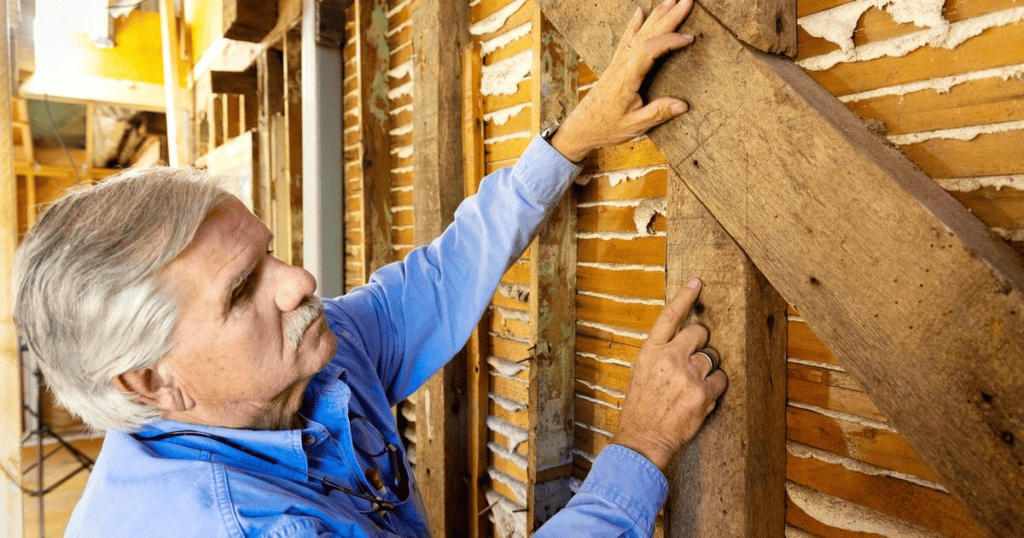
Top 5 Renovation Hazards in Older Homes (And How to Fix Them Safely)
Planning a renovation on an older home is exciting. Stripping back layers of history to reveal original character, opening up cramped layouts, or finally finishing that basement are all satisfying projects. But older homes carry risks that newer construction simply does not, and walking into a remodel without a clear picture of what is inside…
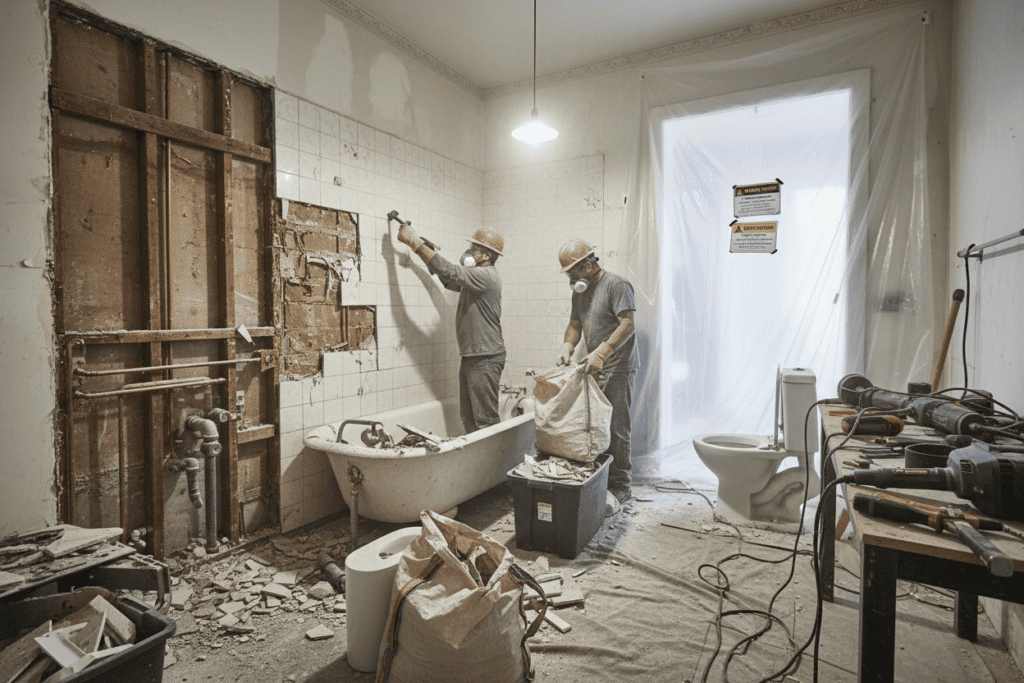
Why Renovation Delays Environmental Hazards Cause Project Blowups (And How to Avoid Them)
You’ve scheduled the contractor, ordered materials, and cleared your calendar. Then, mid-demolition, work comes to a grinding halt. The crew has found something in the walls, the ceiling, or under the floor that nobody planned for. Sound familiar? Renovation delays caused by environmental hazards are one of the most common and most avoidable problems homeowners…
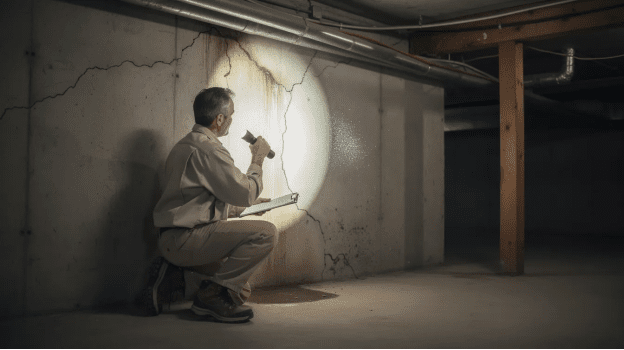
Mold Inspection Before Home Buying: Why It Should Be Part of Your Checklist
A standalone environmental evaluation is now recognized as a critical, high-leverage component of thorough property due diligence across modern real estate markets. While general structural reviews overview broad physical conditions, they systematically bypass complex micro-environmental testing. Prioritizing a dedicated mold inspection before home buying guarantees you have the exact objective facts required to negotiate transaction milestones safely. Waiting until after closing to address hidden fungal growth can trap home buyers with immediate, catastrophic remediation bills.
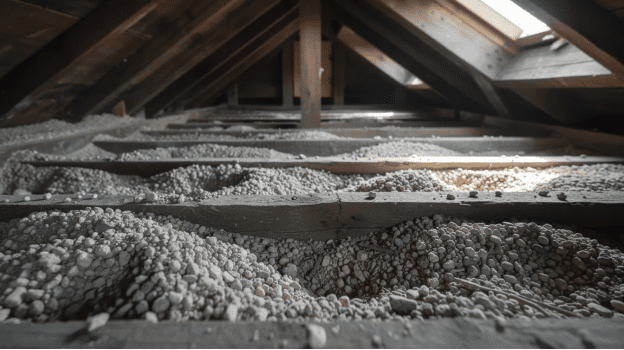
Hidden Risks in Older Attics: Vermiculite Insulation and Property Crisis Management
When managing residential real estate or evaluating older structural assets, unexpected environmental liabilities can instantly trigger an operational emergency. Discovering hazardous, friable materials during a routine renovation can halt construction, freeze financing, and invite regulatory penalties. True crisis management begins before an incident occurs—by identifying and neutralizing legacy threats like asbestos-contaminated vermiculite insulation. Taking authoritative control of these hidden attic hazards allows property owners to safeguard occupant health and insulate themselves from catastrophic liabilities.
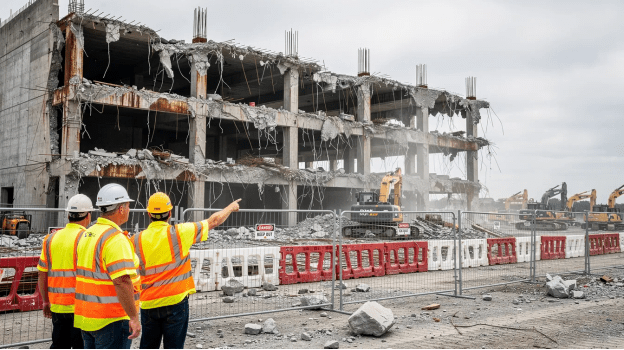
How Developers Keep Demolition Projects Compliant with Business Continuity Planning
Non-compliant demolition can completely halt a larger construction program before foundation work ever begins. Missing municipal permits, undocumented hazardous materials, unsafe structural sequencing, or uncontrolled dust can instantly trigger heavy fines, legal sanctions, and severe reputational damage among investors and planning authorities. To safeguard capital timelines, modern developers must treat site clearance not as an isolated teardown, but as a core pillar of proactive business continuity planning. By establishing rigorous regulatory oversight early, operators transform dangerous structural liabilities into highly predictable, controlled phases of the development cycle.

Environmental Hazards and Property Value: How Mold, Asbestos, and Lead Issues Affect Buyer Trust
Selling a property is rarely simple, but it becomes significantly more complicated when environmental hazards are part of the picture. Mold, asbestos, and lead based paint are three of the most common issues that surface during real estate transactions, and each one has the potential to slow a sale, reduce an offer, or cause a…
Contact Us Today
Contact us today to learn more or to schedule an appointment.