

Key takeaways
- A mold inspection is different from a general home inspection and should happen before you remove contingencies or pay your final deposit.
- Hidden mold growth can damage indoor air quality, trigger health problems, and lead to repair bills from a few thousand dollars to well over $10,000.
- An inspection report can help buyers negotiate repairs, seller credits, mold remediation, or price reductions before closing.
- Advanced Health and Safety provides professional mold inspections and clear written reports tailored for home buyers.
Why Mold Inspections Matter When You're Buying a Home
A standalone mold inspection is now as important as a home inspection in many 2026 real estate transactions. A mold inspection focused on home buying is a practical protection for your health, budget, and future resale value.
Mold growth can begin within 24-48 hours after a leak, flood, failed sump pump, or roof intrusion. Mold spores are already present in most indoor air, and mold thrives when excess moisture meets organic building materials such as drywall, wood, insulation, or carpet backing. Mold can grow in various parts of a home, often thriving in areas with poor ventilation and moisture accumulation, such as attics, basements, bathrooms, and kitchens.
That is why timing matters. Mold issues discovered after closing typically become the buyer's financial responsibility. Mold inspections protect financial investments and health before finalizing a home purchase, especially because identifying mold early can prevent costly repairs and help protect the home's value, mitigating future financial liabilities.
Between 2020 and 2025, common scenarios included post-storm roof leaks in older homes, poorly vented bathrooms in 1990s houses, leaking pipes under vanities, and crawl spaces without vapor barriers. Finding mold doesn't necessarily mean you should walk away from the deal, as most mold issues stem from plumbing or roof leaks. But you need to know the scope before you own it.
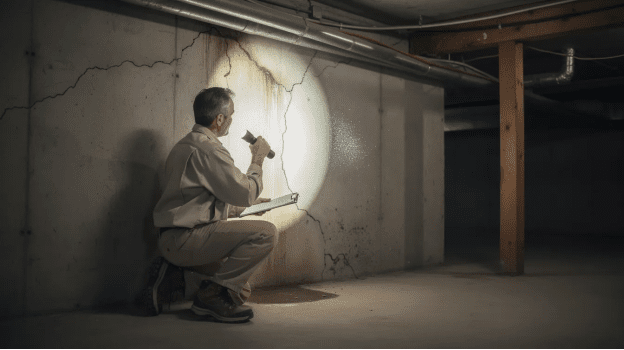
Mold Inspection vs. General Home Inspection
A standard home inspection evaluates the overall condition of the property, including the roof, electrical, plumbing, foundation, and HVAC system. Standard home inspections do not cover specialized mold testing; they only note visible moisture or apparent mold.
A mold inspection specifically targets mold detection and its sources with specialized tools, whereas a general home inspection evaluates the overall condition of the property. A home inspector may flag water stains or visible mold, but usually will not diagnose mold contamination, quantify mold presence, or collect air or surface samples.
A dedicated mold inspector performs an initial assessment, visual inspection, and moisture detection process using moisture meters, hygrometers, and sometimes thermal cameras. These specialized equipment choices help detect mold risk by locating high humidity, elevated humidity levels, wet drywall, and other moisture issues before there are obvious signs.
For example, a home inspection in Madison, WI might say "stain on basement wall." A professional mold inspection can go further: confirm whether there is active mold growing, identify moisture sources, document the affected square foot area, and recommend next steps. Before you consider a home professionally inspected, ask whether mold was actually evaluated.
Health and Financial Risks of Buying a House With Mold
Mold is both a health hazard and a financial risk. Mold inspections are critical during home buying because standard home inspections do not thoroughly test for mold, which can trigger severe respiratory issues and degrade structural integrity. Mold inspections are crucial for ensuring a safe living environment by identifying potential health hazards before purchasing a home.
Common symptoms of mold exposure include respiratory problems, allergic reactions, and other health issues, particularly in sensitive individuals. Mold exposure can trigger allergic reactions, asthma flare-ups, and respiratory irritation. Long-term mold exposure can trigger serious health issues, especially for those with asthma or weakened immune systems.
Certain molds, including what is often called black mold, can pose greater health risks, including respiratory problems and allergic reactions. Common indoor species such as Aspergillus and Penicillium can trigger allergic reactions and asthma symptoms, particularly in sensitive individuals. According to the CDC's mold guidance, damp and moldy environments are linked to allergy symptoms, coughing, wheezing, and asthma irritation.
Financially, not all mold problems are equal. A small mold problem on non-structural material may be simple, while visible mold growth across porous surfaces can require containment, demolition, and mold remediation. Professional mold remediation costs typically range from $1,500 to $9,000, depending on the severity of the mold problem and the area affected. Minor localized remediation may start around $1,200-$2,000, while whole-basement or attic projects can routinely cost $6,000-$10,000 or more. Widespread structural damage or contaminated HVAC ducts can create even higher remediation costs and costly repairs.
Common Places to Find Mold in Homes You're Considering
Buyers should learn where to find mold so they can ask focused questions during showings and inspections. Common signs of mold problems in a house include musty odors, visible discoloration, signs of past water damage, and elevated humidity levels. If you notice a musty smell in the air, it can be a telltale sign of mold presence, indicating that further investigation may be necessary.
Check these moisture-prone areas carefully:
- Unfinished basements, crawl spaces, and slab-on-grade foundations with past seepage or flooding.
- Bathrooms without strong exhaust fans, kitchens with old sink leaks, and any laundry room with poor ventilation or a washing machine overflow history.
- Attics with inadequate ventilation or past roof leaks that can lead to mold on roof sheathing and insulation.
- Around windows with condensation, inside closets on exterior walls, behind refrigerators or dishwashers, and near air handlers.
Musty odors, earthy smells, black, green, or brown discoloration, and visible signs on ceilings or baseboards are classic clues that mold present may be more than cosmetic.

How to Identify Red Flags Before You Hire a Mold Inspector
Only a professional can fully identify mold conditions, but buyers can spot warning signs during open houses. Look for bubbling or peeling paint, warped baseboards, patched drywall, water stains on ceilings, efflorescence on basement walls, or freshly painted areas that seem designed to hide visible mold.
Ask the seller and agent specific questions about roof replacements, sump pump failures, sewer backups, flooding, and plumbing leaks between 2015 and 2025. Most states require sellers to disclose any known mold problems or conditions that could lead to mold growth during the home-selling process. Failing to disclose known mold issues can result in lawsuits and significant financial liabilities for sellers. Sellers are usually not obligated to conduct mold testing before selling, but they must disclose known mold if it exists.
If disclosure answers are vague, or the home has a history of high humidity with no dehumidifier, add professional mold testing to your checklist.
What Happens During a Professional Mold Inspection
A professional mold inspection typically takes 1 to 3 hours to complete and relies heavily on moisture tracking, though larger homes may take 2-4 hours. The inspector interviews the buyer or agent, reviews concerns from the home inspection, and performs a thorough assessment of basements, attics, bathrooms, kitchens, utility areas, windows, and exterior doors.
A mold inspection typically involves a visual examination of the home, checking for visible signs of mold and moisture issues, and may include the use of specialized equipment like moisture meters and thermal imaging cameras. Inspectors may also use hygrometers to measure indoor air humidity and trace where moisture accumulation is coming from.
During a mold inspection, inspectors may collect air or surface samples to send to a laboratory for analysis, helping to determine the type and concentration of mold present in the home. This can include air samples indoors and outdoors for comparison, plus surface sampling from suspicious spots. Advanced Health and Safety provides a clear written inspection report with photos, lab results when applicable, and practical recommendations buyers can share with contractors, lenders, and real estate agents.
Using the Mold Inspection Report in Your Home Buying Negotiations
The inspection report is a powerful negotiation tool before you waive contingencies or finalize financing. If professional mold inspectors confirm active contamination, you can request professional mold remediation, repair of the underlying moisture source, and documentation from qualified contractors before closing.
You can also negotiate a price reduction or seller credit based on written quotes from mold remediation companies. The average cost of a mold inspection for small to medium-sized houses under 4,000 square feet ranges from $300 to $400, while larger homes can cost between $700 and $900. Mold inspection costs can vary based on factors such as the size of the home, the type of inspection (visual or invasive, and the region, but generally, they are comparable to regular home inspection costs.
If the report shows mold contamination across basement walls, attic sheathing, and HVAC ducts, and the seller will not cooperate, walking away may be the safest financial decision. Share findings with your general inspector, attorney, and lender where appropriate.

Preventing Future Mold Problems After You Move In
Even with a clean report, plan for moisture control. Keep indoor humidity around 30-50%, use basement dehumidifiers, and run kitchen and bathroom exhaust fans during and after use to prevent mold.
Inspect roofs and gutters annually, direct downspouts away from the foundation, and check under sinks, around toilets, and behind appliances. Address any water incident, such as a 2026 spring storm leak or failed water heater, within 24-48 hours. Fast drying protects porous surfaces, building materials, air quality, and your home's mold risk profile.
For older homes or properties with prior leaks, periodic inspections before renovations can help you remove mold sources before walls or ceilings are opened.
FAQ: Mold Inspection Before Home Buying
Should I always get a mold inspection when buying a home?
Strongly consider one for any home with a basement, crawl space, past water damage, musty odors, or moisture concerns in the general inspection. Even newer homes built after 2015 can have mold issues if ventilation is poor or if roof or plumbing leaks went unnoticed.
When in the transaction timeline should a dedicated mold inspection before home buying actually take place?
Schedule it immediately after the seller accepts your offer and before you remove inspection contingencies. Aligning the inspection with your contingency period keeps your negotiating leverage intact and protects your earnest money if the results give you reason to request repairs, renegotiate, or walk away.
Conclusion
A mold inspection is one of the lowest-cost steps you can take before committing to a home, and it can spare you from inheriting a hidden moisture problem and the repair bills that follow. If a property has a basement, crawl space, past water damage, or any sign of moisture, it is worth adding a dedicated inspection to your checklist before you remove contingencies.
Advanced Health and Safety provides professional mold inspections and clear written reports built for home buyers. Locally owned and operated in Madison, Wisconsin, since 2000, the team brings more than 25 years of experience and is fully licensed, certified, and insured up to $7 million, with a spotless safety record. If you have a home under contract and want to understand its mold and moisture risk before closing, reach out to Advanced Health and Safety at 608-243-8466 to schedule an inspection.