

Flooring contractors regularly uncover hidden hazards no one knew were there. Removing old flooring, preparing subfloors, and working in older homes frequently exposes asbestos in tiles and adhesives, along with mold on the subfloor below. Knowing how to identify these materials, when to pause work, and what to tell your customer keeps projects on track and protects everyone involved.
Advanced Health and Safety has been serving Dane County for over 25 years. We work with flooring contractors and other trades, and we offer training for those who want to learn more about identifying mold and asbestos in the field.
Asbestos Floor Tiles
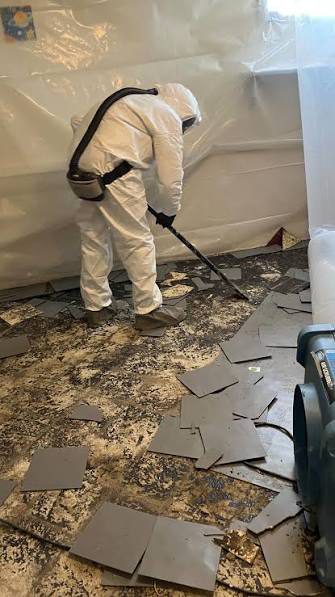
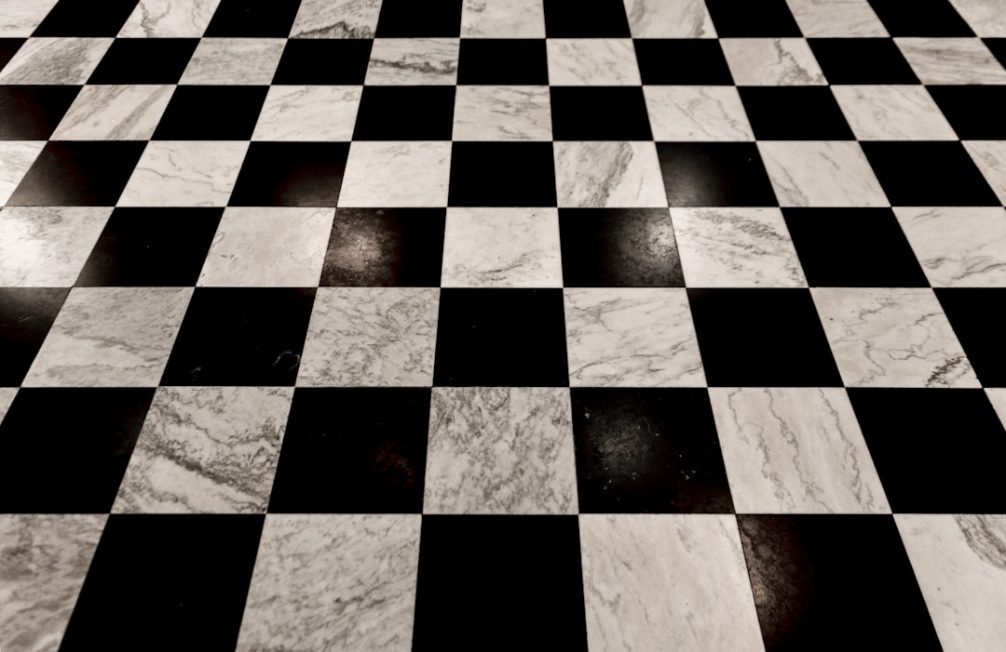
Old tile flooring is one of the most common places flooring contractors encounter asbestos. Asbestos floor tiles were widely installed in homes, schools, and commercial buildings, and asbestos vinyl tile can look identical to non-asbestos versions, so visual identification is not reliable.
If you are wondering how to identify asbestos floor tiles, size is one clue. Nine-inch square tiles (9x9 asbestos tile) are especially likely to contain asbestos, though twelve-inch tiles (12x12 asbestos tile) can as well. Color, pattern, and a slightly brittle feel are sometimes mentioned in asbestos tile identification guides and asbestos floor tile pictures when people ask what asbestos floor tile looks like, but appearance alone never confirms what a tile contains. The only reliable answer to “do I have asbestos floor tiles” comes from testing floor tiles for asbestos through a certified laboratory. An asbestos tile test or asbestos floor tile test kit can collect a sample, but a lab analysis is what provides a definitive result.
Because asbestos tile releases fibers when it is broken, cut, sanded, or pried up, flooring contractors should not remove suspected asbestos tiles without testing. Asbestos floor tile removal and asbestos tile removal require specialized containment and disposal procedures that fall outside standard flooring work. When tiles look original or you are unsure, recommend testing before any removal begins.
Asbestos in Sheet Flooring and Linoleum
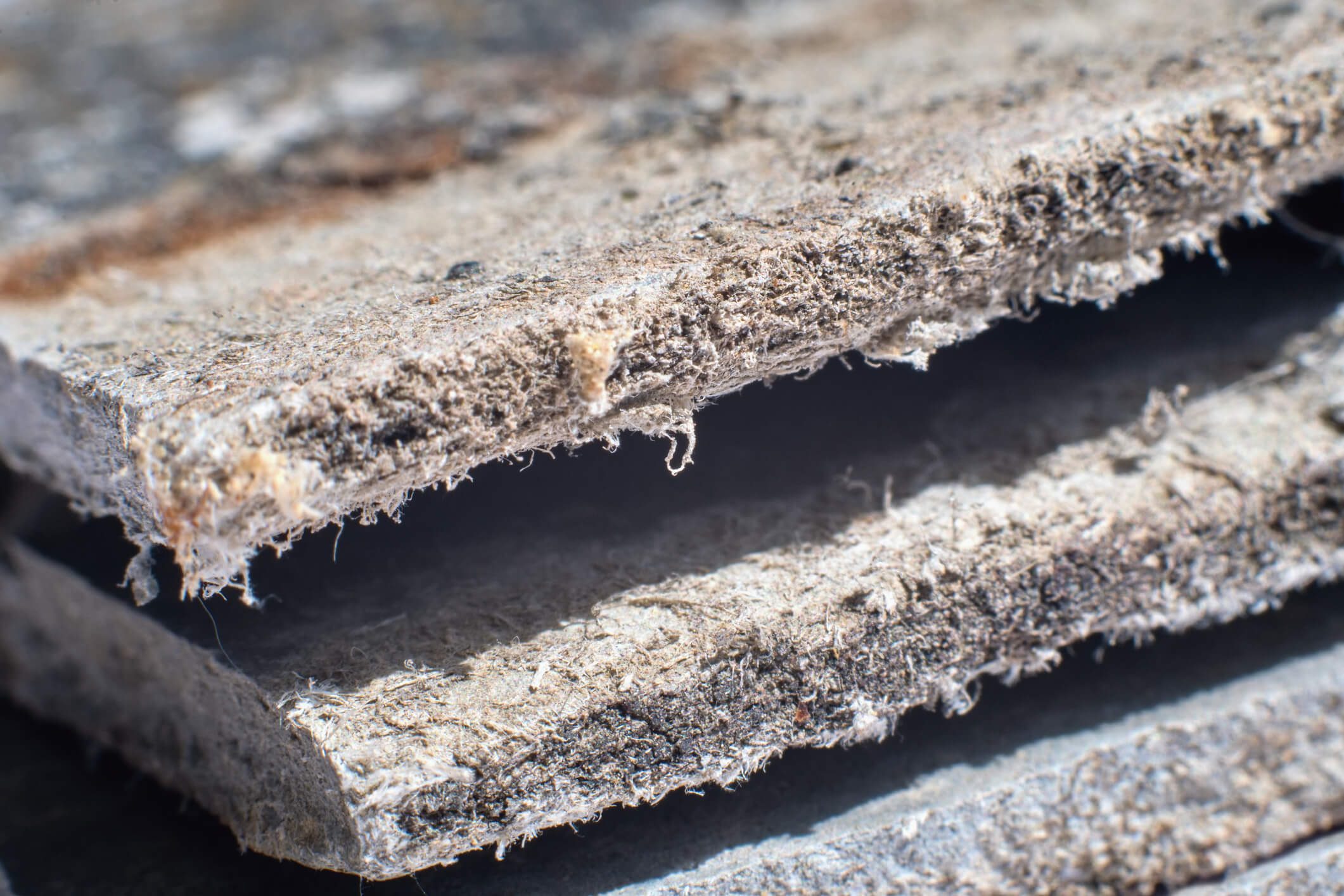
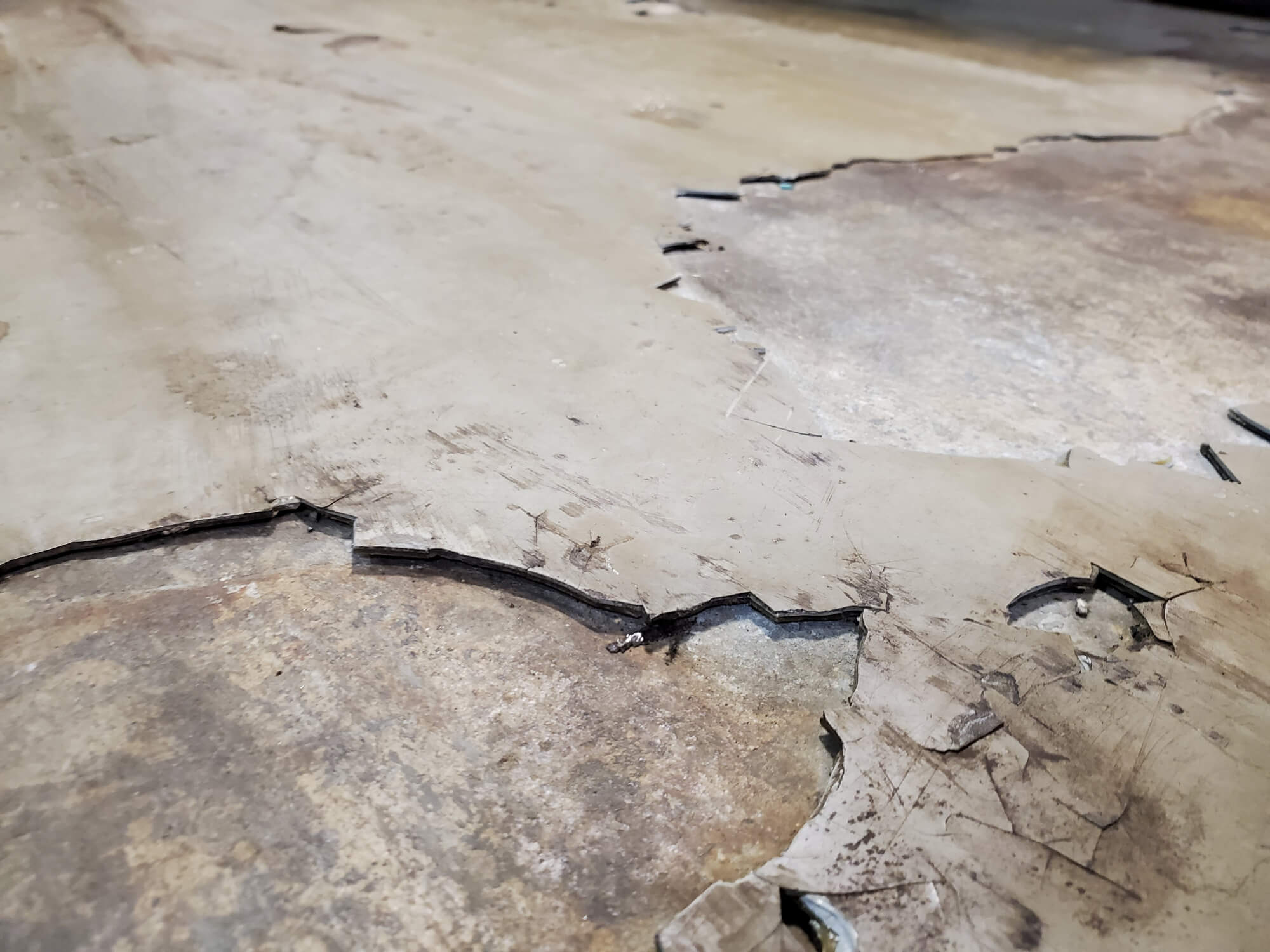
Asbestos is not limited to hard tiles. Older sheet vinyl and linoleum frequently contain asbestos, often in the backing material rather than the surface you can see. Asbestos linoleum and asbestos sheet flooring were common, and asbestos backed vinyl flooring can release fibers when the backing is torn, scraped, or left behind on the subfloor during removal.
Asbestos flooring of this type may look like ordinary sheet goods, so age and condition matter more than appearance. You may also find asbestos under linoleum where an older layer was simply covered rather than removed. When removing sheet flooring in an older home, treat the material and its backing as suspect until testing confirms otherwise, and avoid dry-scraping residue from the subfloor.
Asbestos Mastic and Adhesive
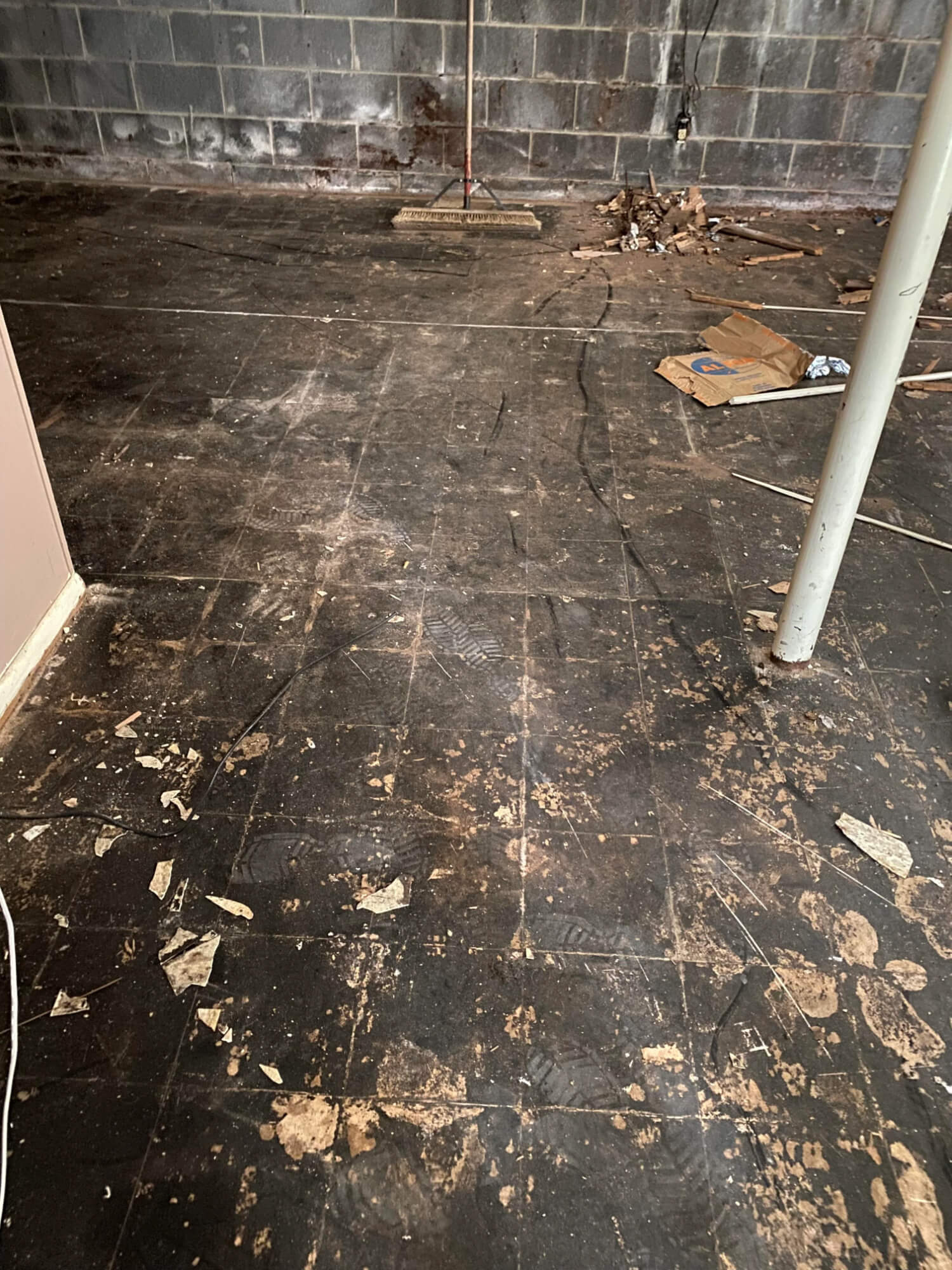
Even when the flooring itself is clear, the adhesive underneath can be the bigger concern. Black mastic asbestos, also called asbestos cutback adhesive, was commonly used to install vinyl and asphalt tiles. This black, tar-like asbestos mastic frequently contains asbestos and is easily disturbed when tiles are pried up or when adhesive is scraped or sanded from the subfloor.
Asbestos glue, asbestos tile adhesive, asbestos floor tile adhesive, and asbestos flooring adhesive all describe the same risk: a bonding material that can release fibers during removal. Flooring contractors should treat black mastic as suspect until it is tested, and avoid the mechanical scraping or sanding that would send fibers into the air.
Asbestos Hidden Under Other Flooring
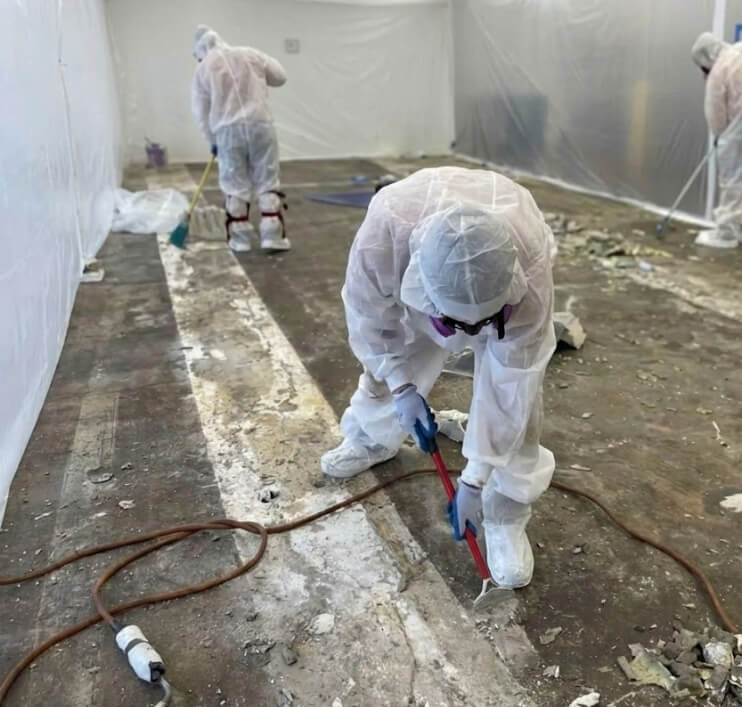
Asbestos is often discovered beneath newer flooring layers. Rather than removing old asbestos tiles, previous homeowners or contractors frequently installed new flooring directly over them. As a result, you may find asbestos under carpet, asbestos tiles under carpet, asbestos under linoleum, or asbestos under hardwood floor when you pull up the existing surface.
This is one more reason removal in older homes deserves extra caution. When you lift carpet, hardwood, or another covering and find an older tile or sheet layer underneath, stop and treat it as suspect until testing confirms what it is.
Encapsulation as an Alternative
Removal is not the only option. In some cases, asbestos floor tiles can be encapsulated rather than removed. Asbestos tile encapsulation involves covering the existing material so the fibers stay bound and undisturbed, which can be a practical approach when the tile is intact and new flooring can be installed over a stable surface.
Covering asbestos floor tiles is not appropriate in every situation. The condition of the material, the type of new flooring, and the scope of the project all affect whether encapsulation is safe or whether professional abatement is the better path. A licensed abatement professional can advise on the right approach for a specific floor.
Mold on Subfloors
Removing old flooring often reveals mold on the subfloor that the homeowner never knew existed. Subfloor mold is common in bathrooms, kitchens, basements, and any area where spills, leaks, or moisture have occurred over time.
Black mold on subfloor materials develops when moisture is trapped between the subfloor and the flooring above. Mold on plywood subfloor and mold on OSB subfloor both occur when the material cannot dry out, and mold on plywood and mold on OSB should be addressed before new flooring goes down. Covering it traps the problem and leads to continued growth, odors, and potential health concerns for the occupants.
Subfloor mold remediation calls for proper containment and moisture control, not just surface cleaning. When you uncover black mold on the subfloor during a flooring job, recommend professional remediation before installation continues.
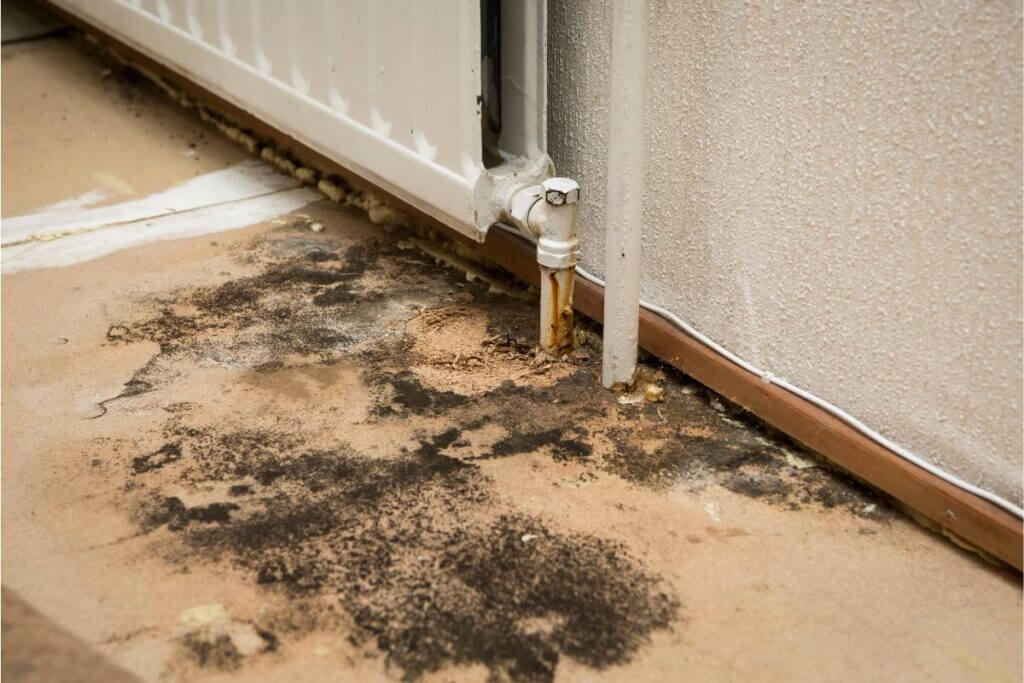
Mold Under Various Flooring Types
Mold can develop under any flooring type when moisture is present. Mold under flooring is a frequent discovery because finished surfaces trap moisture against the subfloor where it goes unnoticed for years.
Mold under carpet is especially common, since carpet and padding absorb moisture and create a hidden environment where mold thrives. Black mold under carpet and mold under carpet padding often result from spills, pet accidents, humidity, or past water damage, and a persistent carpet mold smell is frequently the first clue before anything is visible.
Hard and resilient flooring traps moisture too. Mold under vinyl flooring, mold under vinyl plank flooring, mold under laminate flooring, mold under hardwood floors, and mold under wood floor all occur when the surface does not allow moisture to escape. You may also find mold under linoleum, mold under tile floor, or mold under bathroom floor where leaks have gone undetected. When you remove old flooring, watch for staining, musty odors, and soft spots, and recommend remediation before new flooring is installed.
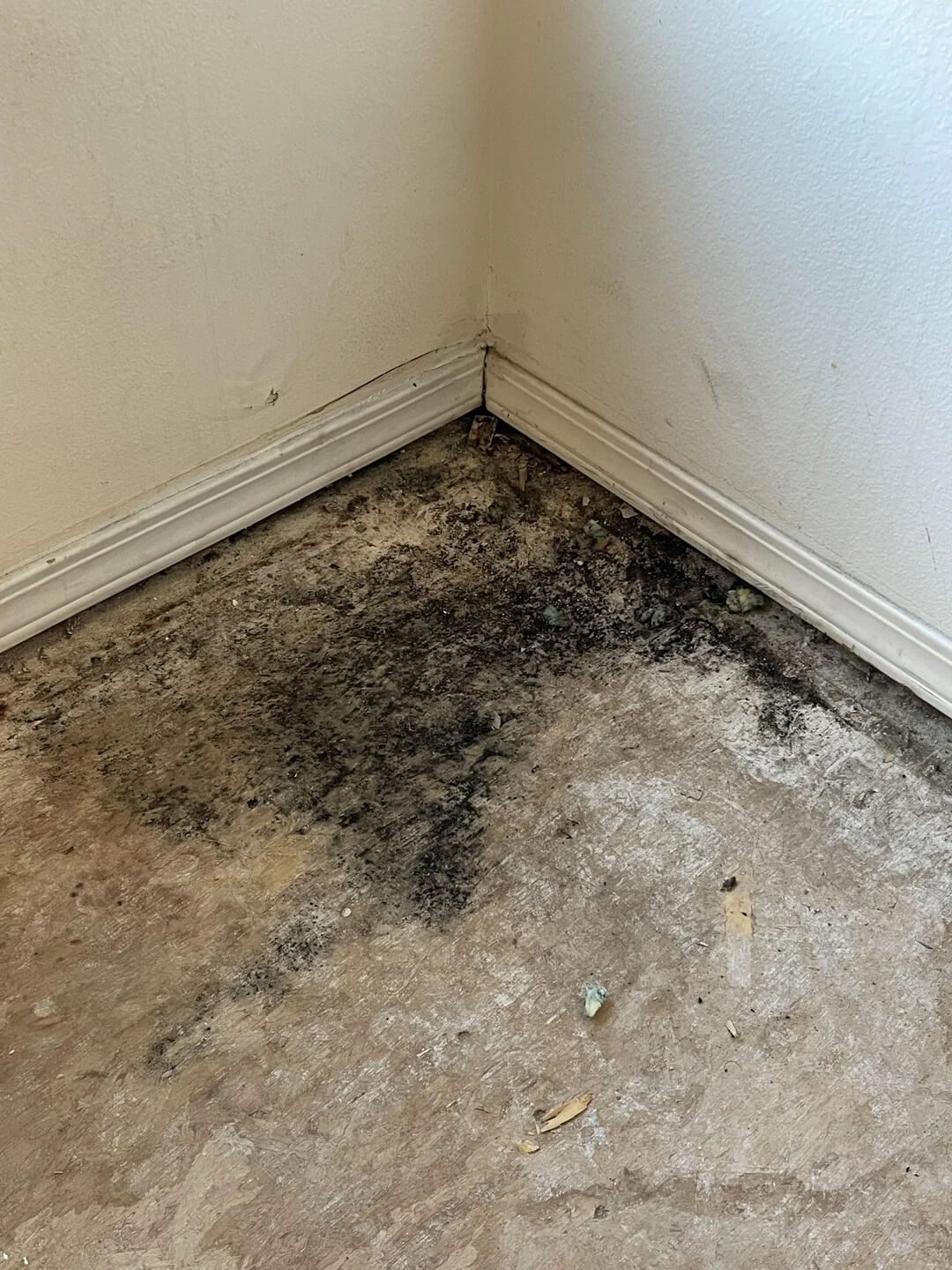
Mold on Concrete Floors
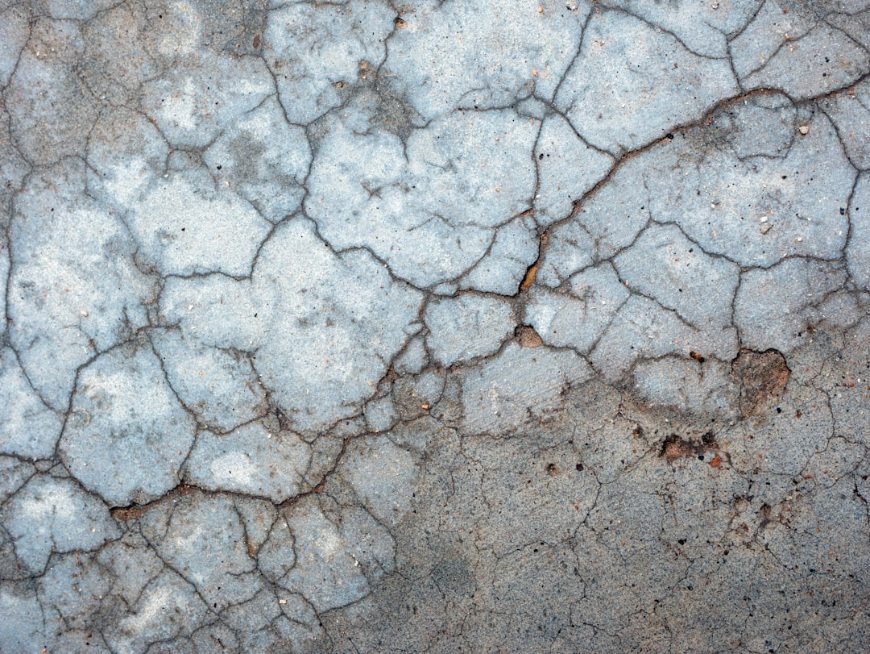
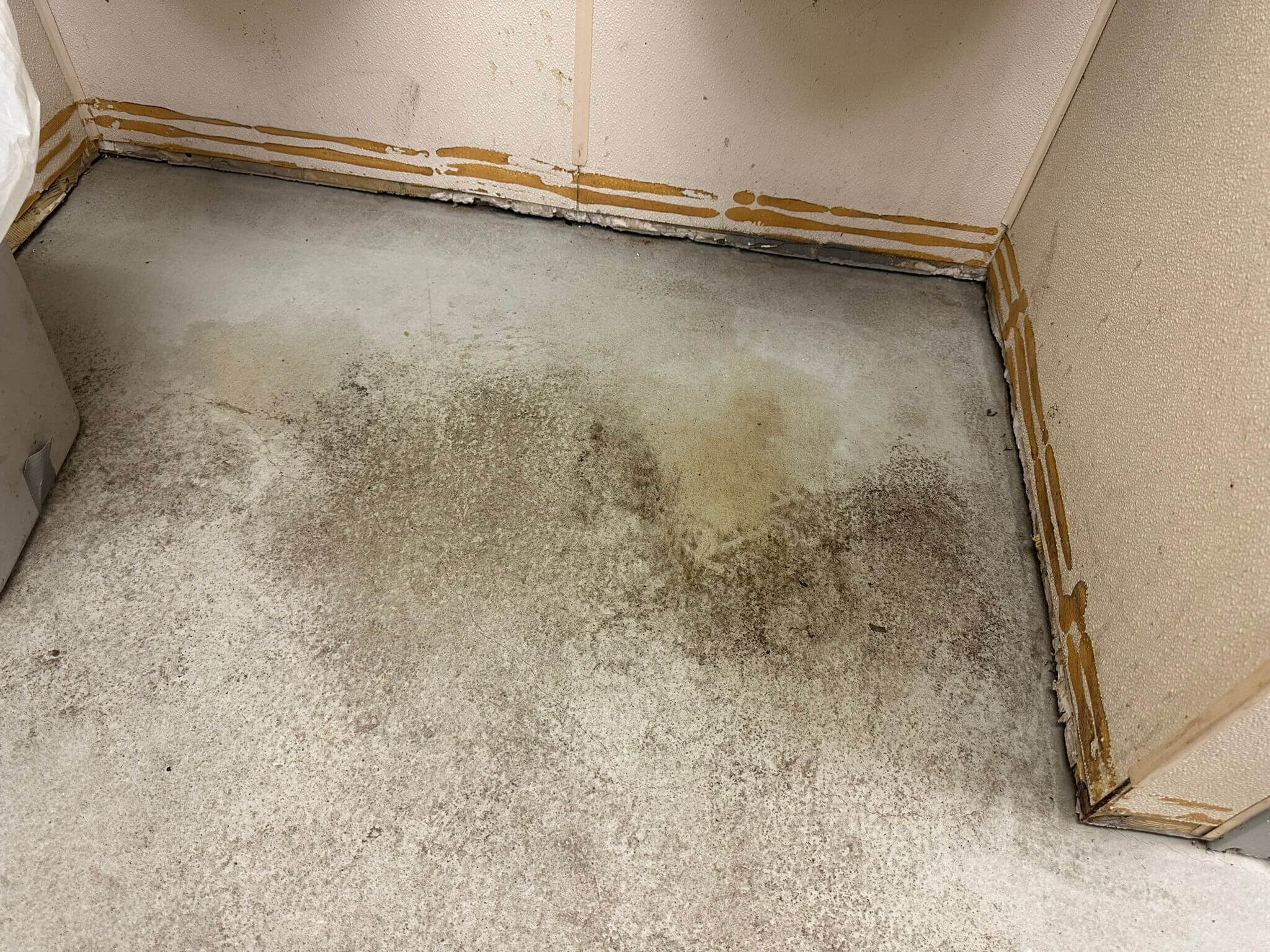
Concrete is not immune to mold. Mold on concrete floor surfaces and mold on concrete subfloor can develop from moisture vapor moving up through a slab or from water intrusion at the foundation. Basement floor mold is common in below-grade spaces where humidity and occasional water are part of the environment.
Mold on concrete often grows on dust, adhesive residue, or organic material sitting on the surface rather than on the concrete itself, but it still needs to be addressed before new flooring goes down. Installing over a damp slab with active mold traps the moisture and leads to recurring problems. Flooring contractors should recommend remediation and proper moisture control before covering concrete.
What to Tell Your Customer
Discovering mold or asbestos during a flooring project can be frustrating for a homeowner who is eager to see the new floor go in. Clear, straightforward communication helps manage expectations and keeps the project moving.
For asbestos, you might say something like: “Before I pull up this old tile, I want to recommend having it and the adhesive tested for asbestos. There is no way to tell by looking, and if it does contain asbestos, removing it would need to be handled by a licensed abatement company. Testing is quick, and it lets us know whether we can proceed normally or need to bring in a specialist first.”
For mold, you might say something like: “When I pulled up the old flooring, I found mold on the subfloor underneath. This is pretty common when there has been any moisture in the area. I would recommend having a mold remediation company address this before we install the new floor, so we can fix the moisture source and make sure the mold is gone before we cover everything back up.”
In both cases, you can let the homeowner know that Advanced Health and Safety handles asbestos abatement and mold remediation, and they can reach out directly for an assessment.
Training and Resources
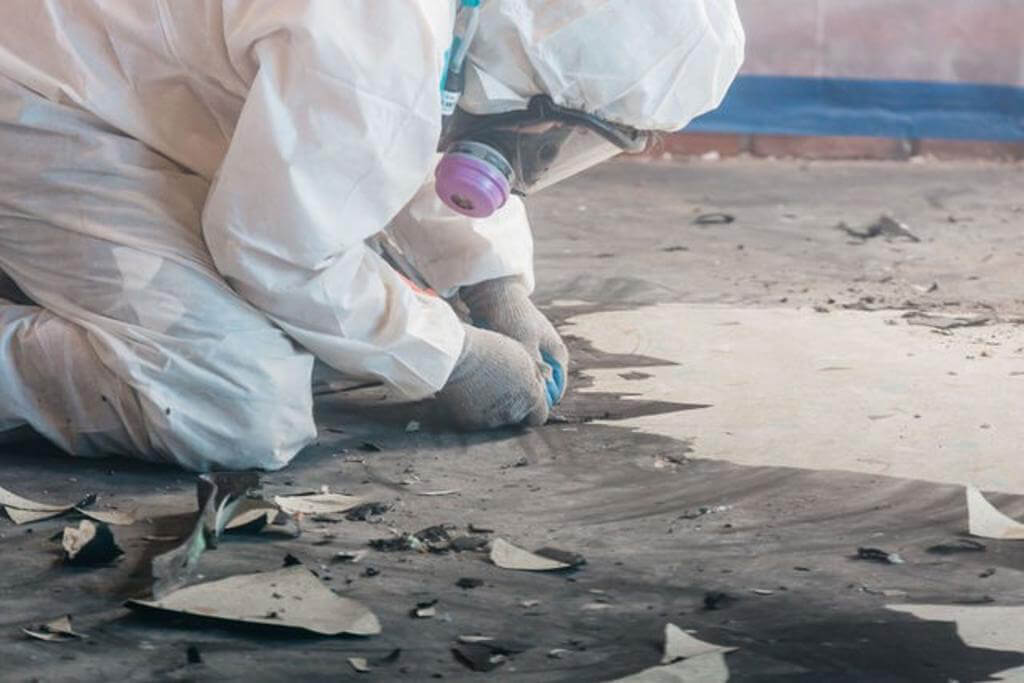
Advanced Health and Safety provides training for contractors who want to learn more about identifying mold and asbestos in the field. Our team has over 25 years of experience in Dane County and works with flooring contractors, remodelers, and other trades on a regular basis.
If you are interested in learning more or want to schedule a training session for your team, contact us.
Contact Us Today
Have questions about something you found on a job site? Want to learn more about our contractor training?