

You’ve scheduled the contractor, ordered materials, and cleared your calendar. Then, mid-demolition, work comes to a grinding halt. The crew has found something in the walls, the ceiling, or under the floor that nobody planned for. Sound familiar? Renovation delays caused by environmental hazards are one of the most common and most avoidable problems homeowners and contractors face in Wisconsin and across the country.
The good news is that most of these delays are entirely preventable with the right testing and planning done before the first wall comes down. This guide breaks down exactly which hazards cause construction slowdowns, how they affect your timeline and budget, and what you can do right now to keep your project on track.
Key Takeaways
• Asbestos, lead paint, and mold are the three most common environmental hazards that stop renovation projects in their tracks.
• Discovering hazards mid-project can add weeks or months to a timeline and thousands of dollars to a budget.
• Pre-renovation testing and inspection is the single most effective way to prevent project delays caused by environmental hazards.
• Advanced Health & Safety has been helping Madison-area homeowners and contractors navigate these hazards safely since 2000.
What Are Environmental Hazards in a Renovation Context?
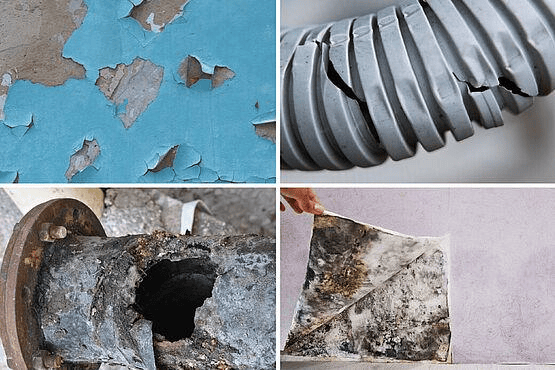
The term “environmental hazard” covers a range of materials and conditions that pose a risk to human health and require special handling, containment, or remediation under state and federal law. In the context of a home renovation or remodel, the three hazards most likely to cause a project stoppage are:
• Asbestos-containing materials (ACMs) in insulation, floor tiles, ceiling texture, joint compound, pipe wrap, and roofing
• Lead paint on interior and exterior surfaces throughout the home
• Mold growth behind walls, under floors, in attics, and in crawl spaces
Any of these, discovered mid-project, can legally require work to stop until the material is tested, contained, or removed by a licensed professional. That is why renovation delays caused by environmental hazards are so disruptive and so preventable.
How Environmental Hazards Stop a Renovation Project
When a crew opens up a wall and encounters an unexpected hazard, the project does not simply pause while someone makes a phone call. In most cases, work must stop entirely in the affected area until a certified environmental professional can assess the situation. Here is what that actually looks like on the ground.
Asbestos: The Most Common Renovation Disruptor
Asbestos was used extensively in building materials for decades before health risks were widely understood. It can appear in popcorn ceilings, vinyl floor tiles, the backing on sheet flooring, attic insulation, pipe insulation, duct wrap, roof shingles, siding, joint compound, and more. Any home can contain asbestos-containing materials, regardless of when it was built, because renovation and repair work over the years may have introduced materials that were manufactured at different times.
When contractors disturb materials that may contain asbestos, federal EPA and Wisconsin Department of Natural Resources regulations require that work stop. If asbestos is confirmed, a licensed contractor must perform asbestos removal under proper containment conditions before renovation can resume. That process typically takes several days to a couple of weeks, depending on the scope, though most projects Advanced Health & Safety handles are completed in 1 to 3 days.
The delay isn’t just logistical. Contractors may demobilize and return their crews to other jobs. Material deliveries that arrived on schedule now sit waiting. Permits tied to completion dates can be affected. What started as a weekend bathroom gut can become a month-long ordeal.
Lead Paint: A Hazard That Complicates Almost Every Surface Remodel
Lead paint is present in a significant percentage of older homes and can be found on walls, trim, doors, windows, cabinets, and exterior surfaces. When renovation work disturbs lead-painted surfaces through sanding, cutting, demolition, or scraping, it generates lead dust, which is a serious health hazard, especially for children under six and pregnant women. Federal EPA Renovation, Repair, and Painting (RRP) rules require that contractors working in homes with children or pregnant women follow specific lead-safe work practices and, in many cases, hire a certified lead-safe firm.
Advanced Health & Safety focuses on lead paint remediation, helping homeowners identify lead-painted surfaces and address them properly before or during renovation. Discovering lead after work has already begun can mean redoing containment, cleaning, and clearance testing before occupants can return, all of which add time and cost to a project.
Mold: The Delay Nobody Sees Coming
Mold grows wherever moisture and organic material meet, and renovations often expose both. Opening a wall in a bathroom or basement can reveal mold growth that has been developing behind the surface for months or years. Once discovered, mold remediation must be completed, and the underlying moisture source corrected, before new materials can be installed.
Skipping remediation and drywalling over mold is not a solution. It creates a liability, a health risk, and a future problem that will be worse and more expensive to address. Contractors who knowingly cover mold face professional and legal exposure, and homeowners who discover the issue later often face far greater remediation costs.
Mold-related renovation delays are especially common in basements, bathrooms, kitchens, and anywhere a slow leak or water intrusion went undetected. Musty smells, water stains, or any history of moisture issues are reasons to test before demolition begins.
The Real Cost of Mid-Project Discovery
Homeowners often ask whether pre-renovation testing is worth the cost. The answer becomes very clear when you look at what a mid-project discovery actually costs.
When testing happens before work begins, the project can be planned around the remediation. Contractors are scheduled appropriately, and timelines account for the extra work. The cost of testing and remediation is built into the budget from the start.
When hazards are discovered mid-project, the costs multiply:
• Contractor standby time or remobilization fees when crews must be pulled from the site
• Emergency scheduling for a remediation firm, which may come at a premium
• Additional containment and cleanup costs because surrounding materials are already disturbed
• Delays to material deliveries, permit timelines, and move-in or rental dates
• Potential disposal costs for materials that were already removed and then found to be contaminated
A straightforward asbestos test and abatement handled before demolition might cost a few hundred dollars for testing and a manageable amount for removal. The same discovery after a crew has already opened walls and disturbed materials can easily cost two to three times more, and that doesn’t account for the schedule disruption.
Which Renovation Projects Are Most at Risk?
Not every remodel carries the same risk of environmental hazard disruption. Some project types are significantly more likely to uncover hazardous materials than others.
Bathroom and Kitchen Gut Renovations
These projects involve removing tile, flooring, drywall, plaster, cabinets, and fixtures. All of those materials can contain asbestos, and any area near plumbing is a candidate for mold. Vinyl floor tiles and the adhesive beneath them are a particularly common source of asbestos in kitchen and bathroom renovations. Popcorn or textured ceilings in these rooms may also contain asbestos if applied before the late 1970s.
Basement Finishing or Waterproofing
Basements are the single most common location for mold in Wisconsin homes. They are also likely to contain older pipe insulation or HVAC duct wrap that may include asbestos. Any project that involves opening basement walls, disturbing insulation, or working around older mechanical systems should include testing as a first step.
Attic Insulation Replacement
Attics can contain vermiculite insulation, which may be contaminated with asbestos, as well as blown-in insulation products from earlier decades. If you are replacing or adding insulation, an inspection is worthwhile. Advanced Health & Safety also provides vermiculite removal for homeowners who suspect this specific material.
Window and Door Replacement
Lead paint is especially common on trim, windows, and doors in homes that have not been stripped or repainted with modern materials. If your replacement project involves sanding, scraping, or cutting painted surfaces, testing for lead before work begins is a practical step that protects workers and occupants alike.
Full or Partial Demolition
Any project involving selective demolition carries the highest combined risk of hazard exposure. When walls, ceilings, floors, and mechanical systems are all being disturbed simultaneously, the likelihood of encountering asbestos, lead, or mold is substantially higher than in a targeted replacement project. Pre-demolition testing should be standard for any project of this scope.
How to Prevent Renovation Delays Caused by Environmental Hazards
The single most effective thing you can do to prevent renovation delays from environmental hazards is to test before you demo. This means scheduling a professional inspection and testing for asbestos, lead paint, and mold before your contractor breaks ground.
Here is a practical pre-renovation checklist:
• Schedule a pre-renovation environmental inspection. A certified professional can assess your home for asbestos-containing materials, lead paint on surfaces to be disturbed, and mold in areas that will be opened.
• Have suspicious materials inspected before they are disturbed. If a material looks like it might be popcorn ceiling texture, older floor tile, pipe wrap, or textured drywall compound, call a specialist before your crew touches it.
• Address moisture issues before closing walls. If your project involves a bathroom, kitchen, or any area with a history of leaks, test for mold and resolve any moisture source before new materials go in.
• Build remediation into your project timeline and budget. If testing reveals a hazard, plan the remediation as the first phase of the project rather than treating it as an unexpected disruption.
• Work with a licensed, certified environmental contractor. In Wisconsin, remediation of asbestos and lead requires licensed professionals. Advanced Health & Safety is fully licensed, certified, and insured up to $7 million, with more than 25 years of experience in the Madison area.
What to Expect From a Pre-Renovation Inspection
A pre-renovation asbestos testing and inspection from Advanced Health & Safety typically begins with a walkthrough of the areas to be renovated. The inspector identifies materials that may contain asbestos, lead paint, or mold based on visual assessment and knowledge of common building products.
For mold, inspectors use moisture meters, hygrometers, and visual assessment to identify areas of elevated risk. Where visible mold is present, or moisture readings suggest hidden growth, air or surface samples may be collected. Advanced Health & Safety also offers dedicated mold testing and inspection services for homeowners who want a thorough assessment before a major project.
The result is a written report that documents findings, identifies what needs to be addressed, and provides a basis for planning remediation as part of your renovation scope.
Working With Advanced Health and Safety on Your Renovation Project
Advanced Health and Safety has been serving homeowners and contractors in Madison and throughout south-central Wisconsin since 2000. Locally owned and operated, the team brings more than 25 years of experience in asbestos removal, lead paint remediation, mold remediation, and select demolition. The company is fully licensed, certified, and insured up to $7 million, with a spotless safety record across thousands of projects.
Whether you are planning a bathroom remodel, a full basement finish, or a whole-house renovation, Advanced Health and Safety can test your materials, identify hazards, and complete remediation so your contractor can get to work on schedule. Most projects are completed in 1 to 3 days, and the team provides clear written documentation for your contractor, lender, and records.
If you are about to start a renovation and want to avoid the delays and costs of a mid-project hazard discovery, contact Advanced Health and Safety at (608) 243-8466 or reach out through the website to schedule an inspection.
Frequently Asked Questions: Renovation Delays and Environmental Hazards
What environmental hazards most commonly cause renovation delays?
The three environmental hazards that most commonly cause renovation delays are asbestos-containing materials, lead paint, and mold. Asbestos can be present in insulation, floor tiles, ceiling texture, joint compound, and roofing materials. Lead paint is found on walls, trim, windows, doors, and exterior surfaces in many homes. Mold grows behind walls, in basements, under flooring, and in attics and crawl spaces where moisture has accumulated. Any of these, discovered after demolition has begun, can require work to stop until a licensed professional completes testing and remediation.
How long do renovation delays from environmental hazards typically last?
Renovation delays caused by environmental hazards typically range from a few days to several weeks, depending on the type of hazard, the scope of contamination, and how quickly a licensed remediation contractor can be mobilized. Asbestos and mold remediation for a single room or defined area often takes 1 to 3 days once work begins. More extensive contamination affecting multiple rooms or HVAC systems can take longer. Delays are significantly shorter when testing and remediation are planned before demolition rather than discovered mid-project.
Does every home need environmental testing before a renovation?
Not every home requires the same level of testing before renovation, but any home that will have walls, ceilings, floors, or mechanical systems disturbed benefits from a pre-renovation inspection. Homes with original or older materials, any history of water damage or leaks, or visible signs of deterioration on surfaces being disturbed are strong candidates for asbestos, lead, and mold testing before work begins. The cost of pre-renovation testing is consistently lower than the cost of addressing hazards discovered mid-project.
Can a general contractor handle environmental hazard remediation during a renovation?
In Wisconsin, asbestos removal and lead paint remediation must be performed by licensed professionals. General contractors are not permitted to perform this work unless they hold the appropriate state certifications. Mold remediation does not require a specific state license in Wisconsin, but it requires proper containment, personal protective equipment, and disposal procedures. Advanced Health and Safety is a fully licensed, certified, and insured environmental contractor that works alongside general contractors to complete hazard remediation as a defined phase of the renovation project.
What is the best way to prevent renovation delays from environmental hazards?
The best way to prevent renovation delays caused by environmental hazards is to schedule a professional inspection and testing before demolition begins. Testing for asbestos, lead paint, and mold prior to the start of work allows any hazards to be identified, remediated, and documented before the general contractor mobilizes. This approach eliminates mid-project surprises, allows accurate budgeting, and keeps the renovation on schedule. Advanced Health & Safety offers pre-renovation inspections and can complete remediation in coordination with your project timeline.
How much does pre-renovation environmental testing cost compared to mid-project remediation?
Pre-renovation environmental testing is typically far less expensive than remediation required after a mid-project hazard discovery. Testing costs depend on the number of materials evaluated, but a professional inspection covering the areas to be renovated is generally a modest upfront investment relative to the total project budget. Mid-project remediation, by contrast, often involves additional containment to protect disturbed areas, possible contractor standby or remobilization costs, and rush scheduling, all of which can significantly increase the total cost. Contact Advanced Health & Safety directly for an estimate based on your specific project scope.
Are there health risks to renovation workers from environmental hazards?
Yes. Asbestos fibers released during demolition or disturbance of asbestos-containing materials can cause serious lung disease, including mesothelioma, with long latency periods. Lead dust generated by sanding, scraping, or cutting lead-painted surfaces is a health risk for workers and any occupants present during the work. Mold exposure during demolition can trigger respiratory symptoms, allergic reactions, and airway irritation. Federal and state regulations require proper containment, protective equipment, and disposal procedures for these materials specifically because of the documented health risks to workers and occupants.
Ready to Start Your Renovation Without the Surprises?
Advanced Health & Safety provides pre-renovation inspections, asbestos testing, lead paint remediation, mold remediation, and select demolition for homeowners and contractors throughout the Madison, Wisconsin area. Locally owned and operated since 2000, fully licensed, certified, and insured up to $7 million.
Call (608) 243-8466 or visit madisonasbestos.com to schedule your pre-renovation inspection today.