

Planning a renovation on an older home is exciting. Stripping back layers of history to reveal original character, opening up cramped layouts, or finally finishing that basement are all satisfying projects. But older homes carry risks that newer construction simply does not, and walking into a remodel without a clear picture of what is inside your walls, floors, and ceilings can turn a manageable project into an expensive, stressful standstill.
This guide covers the five most common older home renovation hazards, where they hide, why they matter, and the safest way to deal with each one so your project stays on schedule and your family stays protected.
Key Takeaways
• Asbestos, lead paint, mold, vermiculite insulation, and deteriorating pipe insulation are the five renovation hazards most commonly found in older homes.
• Any of these, disturbed without proper testing and containment, can create serious health risks and legally require work to stop.
• Pre-renovation testing is faster and far less expensive than emergency remediation discovered mid-project.
• Advanced Health & Safety has served Madison-area homeowners and contractors for more than 25 years, handling all five of these hazards safely and professionally.
Why Older Homes Carry More Renovation Risk
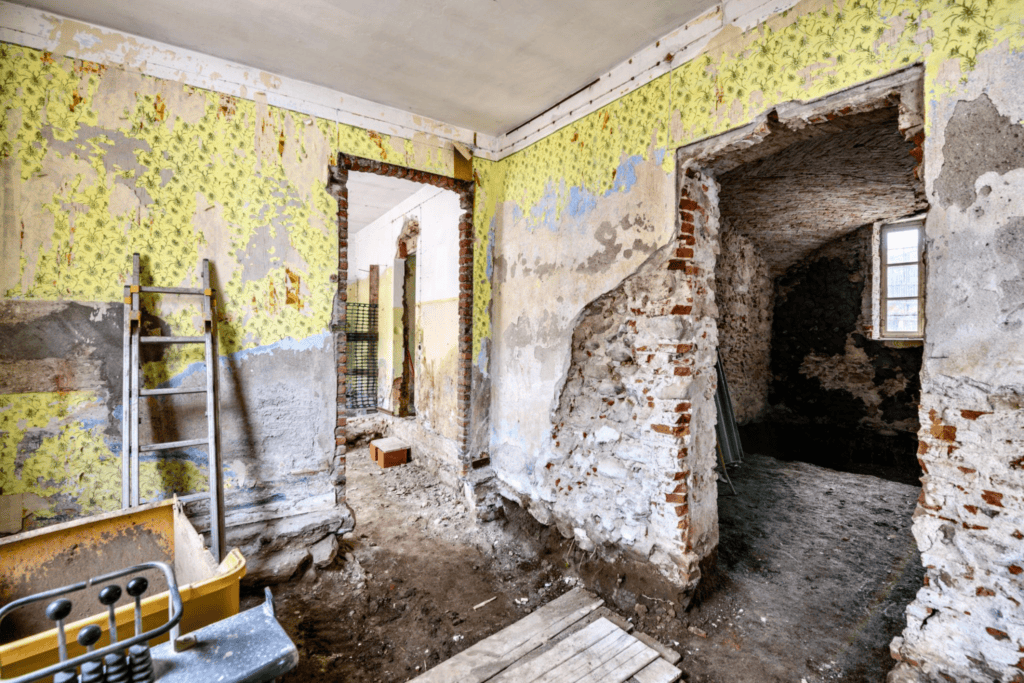
The materials used to build, insulate, and finish homes changed significantly across the decades as health risks were discovered and regulations followed. Homes that have not been fully updated still contain those original materials, often in good condition and causing no problems at all, until renovation work disturbs them.
The moment a hazardous material is cut, drilled, sanded, scraped, or demolished, it can release fibers, dust, or spores into the air. That is the point of risk. That is also why the sequence matters so much: test before you demo, not after something unexpected turns up in the middle of a project.
The five hazards below are the ones Advanced Health & Safety encounters most often on older home renovation projects in Wisconsin.
Hazard 1: Asbestos-Containing Materials
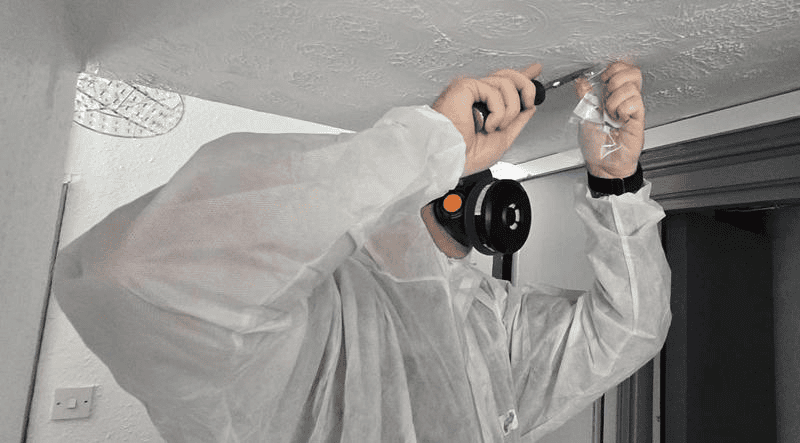
Where Asbestos and Vermiculite Hides in Older Homes
Asbestos was added to building materials because it is strong, fire-resistant, and an effective insulator. It was used broadly across the construction industry for decades and found its way into an enormous range of products. In an older home that has not been fully renovated, asbestos-containing materials (ACMs) may be present in:
• Popcorn or textured ceilings
• Vinyl floor tiles and the black mastic adhesive beneath them
• Sheet flooring backing
• Joint compound and drywall texture
• Pipe insulation and HVAC duct wrap
• Roof shingles and siding
• Attic and wall insulation products from certain manufacturers
It is important to note that any home can contain asbestos-containing materials. Renovation and repair work over the years can introduce materials manufactured at different times, so the presence of asbestos is not limited to homes of any particular era.
Why Asbestos Is a Renovation Hazard
Asbestos fibers are microscopic and invisible to the naked eye. When ACMs are in good condition and left undisturbed, they generally do not pose an immediate risk. When they are cut, sanded, broken, or demolished during a renovation, they release those fibers into the air. Inhaled asbestos fibers can cause serious lung disease, including mesothelioma, a form of cancer with a long latency period.
Federal EPA regulations and Wisconsin Department of Natural Resources rules require that work stop when ACMs are suspected or discovered during renovation. A certified inspector must collect and test samples, and a licensed contractor must perform removal under proper containment before renovation continues.
How to Fix It Safely
The right approach starts before demolition. Schedule an asbestos testing and inspection with a certified professional who can sample suspect materials and return lab-confirmed results, typically within a few business days. If asbestos is confirmed, a licensed asbestos removal contractor performs abatement under containment before your general contractor proceeds. Most residential asbestos removal projects are completed in 1 to 3 days.
Hazard 2: Lead Paint
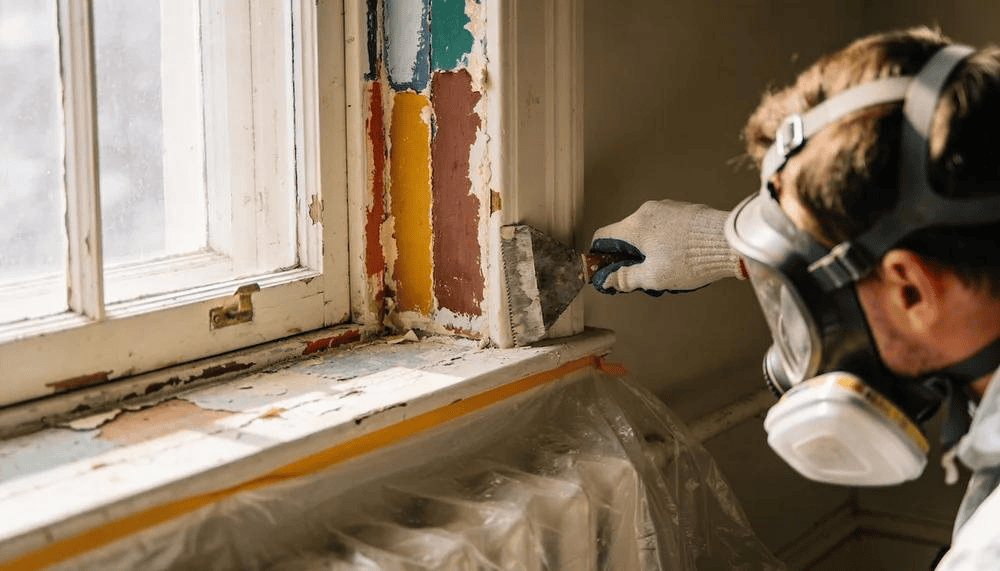
Where Lead Paint Is Found in Older Homes
Lead was a common ingredient in interior and exterior paint for decades before it was banned for residential use in 1978. However, lead-painted surfaces can also be found in homes painted after that date if older paint was not fully stripped before repainting, or if materials from a prior era were incorporated into later renovation work. Lead paint is most commonly found on:
• Interior walls, trim, baseboards, and crown molding
• Window frames, sills, and sashes
• Door frames and doors
• Kitchen and bathroom cabinets
• Exterior siding, trim, and porches
Why Lead Paint Is a Renovation Hazard
Lead paint that is in good condition and left intact is not an immediate hazard. The risk comes when surfaces are sanded, scraped, cut, drilled, or demolished during renovation work. Those activities generate lead dust, which can be inhaled or ingested. Lead exposure is especially serious for children under six and pregnant women, and it can cause neurological damage, developmental delays, and other serious health effects.
Federal EPA Renovation, Repair, and Painting (RRP) rules require that contractors working in homes with children under six or pregnant women follow lead-safe work practices and use certified lead-safe firms for certain project types.
How to Fix It Safely
Advanced Health & Safety focuses on lead paint remediation for homeowners whose renovation projects will disturb lead-painted surfaces. Testing can identify which surfaces contain lead so your contractor and remediation team can plan accordingly. Remediation may involve encapsulation or removal of lead-painted surfaces under proper containment, depending on the scope of the renovation and the condition of the painted surfaces.
The goal is to make sure no lead dust enters the living space during or after renovation work, and to document clearance before the project is considered complete.
Hazard 3: Mold Behind Walls and Under Floors
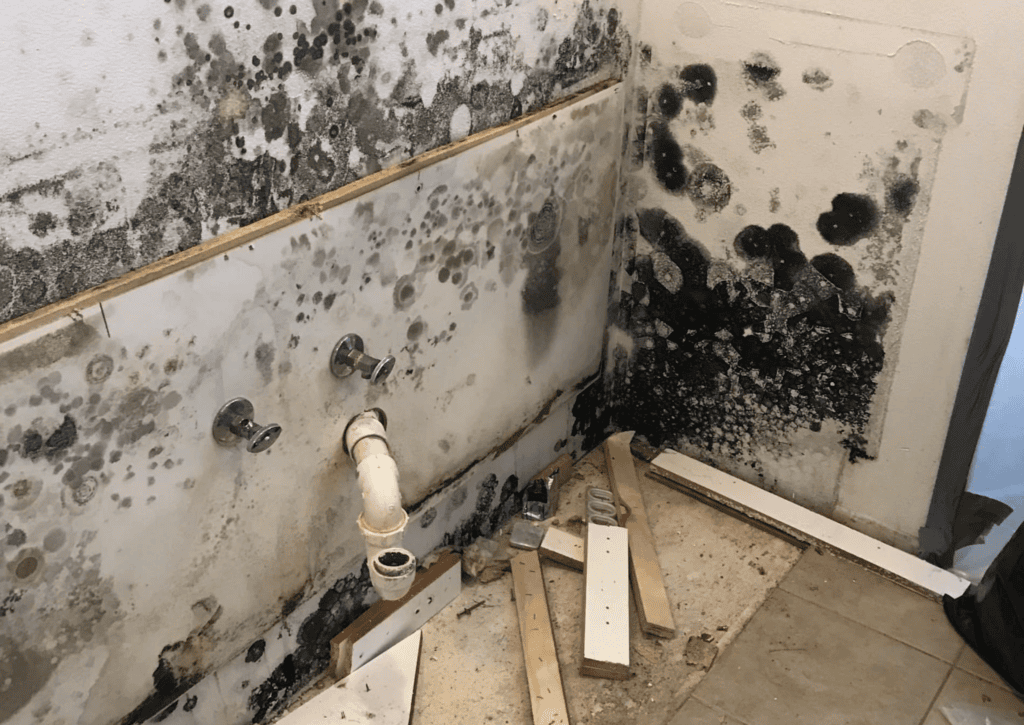
Where Mold Hides in Older Homes
Mold grows wherever moisture and organic material come together, and older homes have had more time to accumulate moisture from slow leaks, condensation, flooding, and poor ventilation. Renovation work frequently uncovers mold that has been growing out of sight for months or years. Common locations include:
• Behind bathroom tile and drywall around tubs and showers
• Under kitchen flooring near the sink or dishwasher
• Inside basement walls and under basement flooring
• In attic sheathing and insulation below the roof leak areas
• In crawl spaces without proper vapor barriers
• Inside wall cavities on exterior walls are prone to condensation
• Improperly ventilated attics and improperly ventilated bathroom fans
• Poorly or improperly insulated wall cavities or improper installation of vapor barriers
Why Mold Is a Renovation Hazard
Opening walls and floors during a renovation can release mold spores that have been contained behind surfaces. Exposure to elevated mold spore concentrations can trigger respiratory symptoms, allergic reactions, and airway irritation. For anyone with asthma, allergies, or a compromised immune system, mold exposure during renovation can cause more serious health effects.
Beyond health, covering mold during a renovation is not a solution. Mold that is drywalled over or covered with new flooring will continue to grow, eventually causing structural damage and a more expensive remediation problem. Contractors who knowingly cover mold also face professional and legal liability.
How to Fix It Safely
If your renovation will open areas with a history of moisture, water damage, or musty odors, schedule mold testing and inspection before demolition. If mold is found, mold remediation must be completed and the underlying moisture source corrected before new materials are installed. This is not an optional step. Remediation involves proper containment, removal of affected materials, cleaning, and verification that mold levels are acceptable before reconstruction begins.
Hazard 4: Vermiculite Insulation in Attics
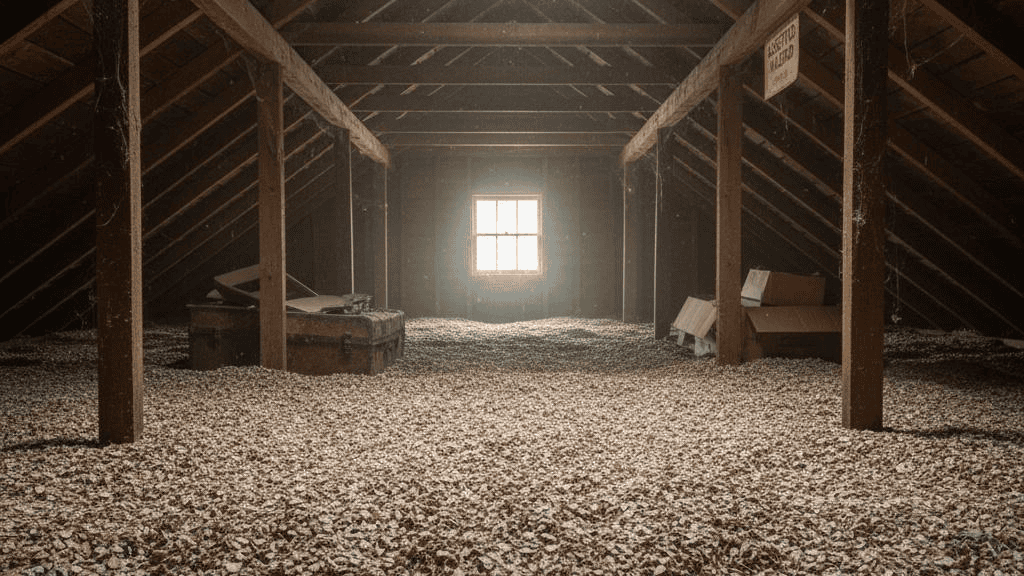
What Vermiculite Insulation Is and Where It Is Found
Vermiculite is a lightweight, pebble-like mineral that was used as attic insulation and in some wall and floor applications from roughly the 1920s through the 1980s. It looks like small gray-brown pellets and is often found loose-poured in attic floors.
A large percentage of vermiculite sold in the United States during that period came from a mine in Libby, Montana, that was contaminated with naturally occurring asbestos. The EPA has stated that homeowners should assume vermiculite insulation may contain asbestos unless it is tested and confirmed otherwise.
Why Vermiculite Is a Renovation Hazard
Vermiculite insulation that is left undisturbed in a sealed attic generally poses a low risk. The hazard comes when it is disturbed, which happens during attic renovation, insulation replacement, HVAC work, or any project that requires accessing the attic space. Disturbing vermiculite that contains asbestos releases fibers into the air, creating the same inhalation risk as other asbestos-containing materials.
Many homeowners are not aware that vermiculite is in their attic, or do not realize it requires special handling, until a contractor identifies it during a project.
How to Fix It Safely
If you have vermiculite insulation in your attic, do not disturb it before testing. Advanced Health & Safety provides vermiculite sampling and removal for homeowners who need to confirm whether their vermiculite contains asbestos and, if so, have it safely removed before attic work proceeds. Removal is performed under containment by a licensed asbestos contractor, not a general insulation crew.
Hazard 5: Deteriorating Pipe and Duct Insulation
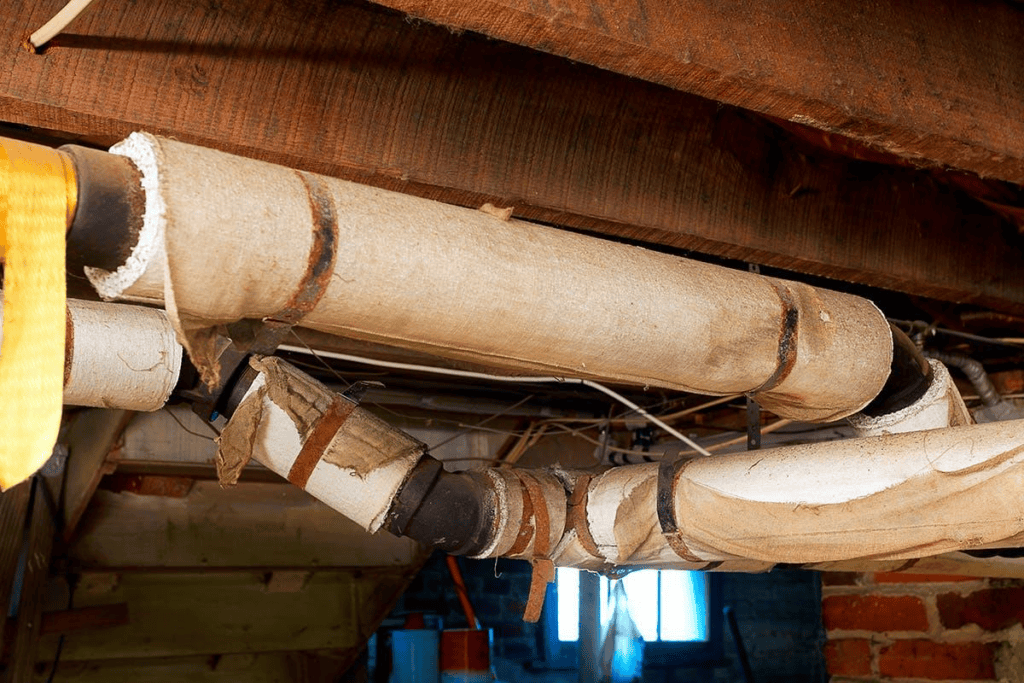
Where Pipe and Duct Insulation Hazards Occur
Older homes often have basement mechanical systems, pipe networks, and HVAC ductwork that were insulated with materials containing asbestos. This includes:
• Pipe wrap on hot water and steam pipes in basements and crawl spaces
• Insulation on furnace ducts and plenums
• Boiler insulation and gaskets
• Wrap on flexible HVAC connections
These materials are especially prone to deterioration over time. Pipe insulation that was once intact can crack, crumble, and become friable, meaning it crumbles easily and releases fibers when handled or disturbed.
Why Deteriorating Insulation Is a Renovation Hazard
Friable asbestos-containing insulation on pipes and ducts is one of the higher-risk forms of the material because it releases fibers with minimal disturbance. Any renovation work that involves the basement, mechanical room, or HVAC system in an older home is likely to bring workers close to these materials.
Plumbers, HVAC technicians, and general contractors who regularly work in older home basements understand this risk, but homeowners doing preliminary work or cleaning in advance of a renovation may not. Even moving boxes or brushing against deteriorated pipe insulation can release fibers.
How to Fix It Safely
A pre-renovation inspection that includes the basement and mechanical areas will identify deteriorating pipe and duct insulation. If asbestos is confirmed, asbestos removal by a licensed contractor should be completed before any other basement or mechanical work begins. In some cases, encapsulation of intact insulation is an option, but friable material that has already started to deteriorate generally requires full removal.
How to Approach an Older Home Renovation Safely
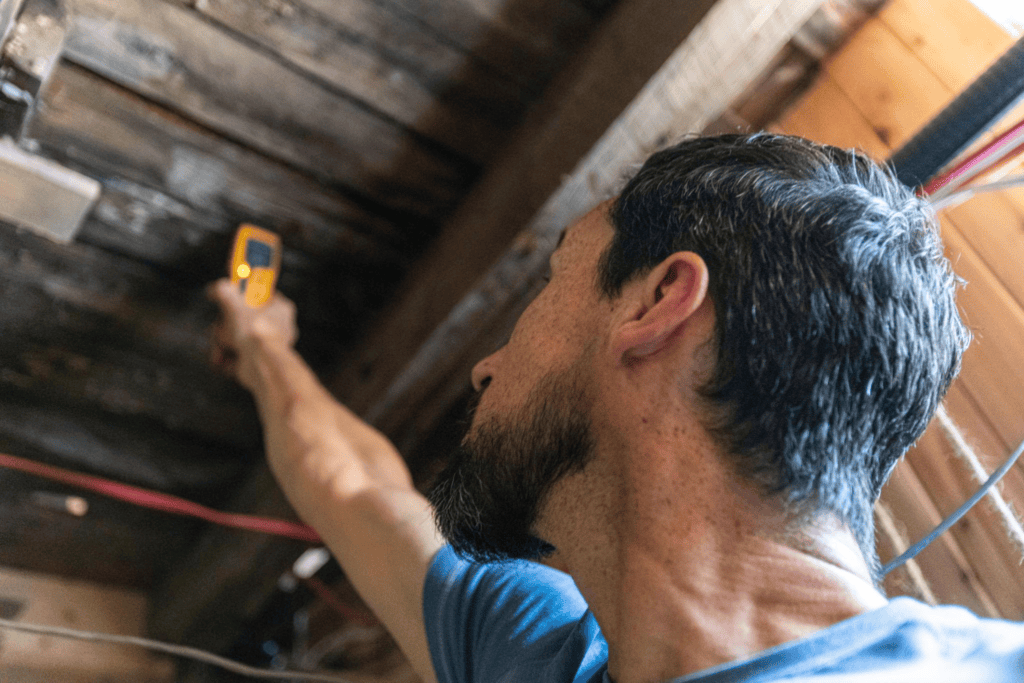
The common thread across all five of these hazards is that they are manageable when identified early and addressed in the right sequence. Here is how to approach a renovation in an older home to minimize risk and avoid costly mid-project surprises.
1. Start with a pre-renovation inspection. Before any demolition begins, schedule a professional environmental inspection covering the areas to be renovated. A certified inspector can identify suspect materials for asbestos testing, flag surfaces likely to contain lead paint, assess moisture conditions for mold risk, and identify vermiculite or deteriorating pipe insulation in mechanical areas.
2. Test before you demo. If suspect materials are identified, collect samples and get lab results before demolition begins. This adds a few days to the pre-construction timeline but eliminates the risk of a mid-project work stoppage.
3. Schedule remediation as the first phase of the project. If testing confirms any of these hazards, build remediation into the project scope before your general contractor mobilizes. This keeps the overall timeline predictable and prevents the contractor from arriving on-site to find that work cannot proceed.
4. Get written documentation. A licensed environmental contractor provides written reports documenting what was found, what was removed, and clearance confirmation. This documentation is valuable for your records, your contractor, and any future sale of the property.
5. Work with a licensed and certified environmental contractor. In Wisconsin, asbestos removal and lead paint remediation require state licensing. Advanced Health and Safety is fully licensed, certified, and insured up to $7 million, with more than 25 years of experience in the Madison area and a spotless safety record.
How Advanced Health & Safety Helps With Older Home Renovations
Advanced Health and Safety has been serving homeowners and contractors throughout Madison and south-central Wisconsin since 2000. Locally owned and operated, the company specializes in the environmental hazards that older homes most commonly present, including asbestos testing and removal, lead paint remediation, mold testing and remediation, vermiculite removal, and select demolition.
The team works directly with homeowners planning renovations and with general contractors who want to bring in a certified environmental partner before demolition begins. Advanced Health & Safety provides clear written reports, fast turnaround on testing, and professional remediation that allows your renovation to proceed on schedule. Most projects are completed in 1 to 3 days, and the team is fully insured up to $7 million with a spotless safety record built over more than 25 years of service to the Madison community.
If you are planning a renovation on an older home and want to know what you are working with before the first wall comes down, contact Advanced Health and Safety at (608) 243-8466 or reach out through the website to schedule a pre-renovation inspection.
Frequently Asked Questions: Older Home Renovation Hazards
What are the most common renovation hazards in older homes?
The five most common renovation hazards in older homes are asbestos-containing materials, lead paint, mold, vermiculite insulation, and deteriorating pipe or duct insulation. Asbestos can be found in floor tiles, popcorn ceilings, joint compound, pipe wrap, and roofing materials. Lead paint is present on walls, trim, windows, and doors in homes that have not been fully stripped. Mold is commonly found behind bathroom walls, under kitchen floors, and in basements or crawl spaces. Vermiculite insulation in attics may contain asbestos. Deteriorating pipe and duct insulation in basement mechanical areas is another common source of asbestos in older homes.
Do all older homes contain asbestos?
Not all older homes contain asbestos, but any home can contain asbestos-containing materials regardless of when it was built. Renovation and repair work done over the years can introduce materials manufactured at different times and from different sources. The only way to confirm whether a material contains asbestos is to have a certified professional collect a sample and submit it to an accredited laboratory for analysis. Advanced Health & Safety provides asbestos testing and inspection for homeowners who want to know what is in their home before renovation work begins.
Is it safe to renovate an older home without testing for hazards first?
Renovating an older home without pre-renovation environmental testing creates the risk of disturbing asbestos, lead paint, or mold without proper containment or remediation in place. Disturbing these materials without the right procedures can expose workers and occupants to serious health hazards and, in the case of asbestos and lead paint, can trigger regulatory requirements that legally require work to stop until a licensed contractor completes remediation. Pre-renovation testing is a straightforward, cost-effective step that eliminates these risks and keeps a project on schedule.
What should I do if asbestos is found during a home renovation?
If asbestos is discovered during a home renovation, work in the affected area should stop immediately. A certified environmental professional should assess the material and determine whether it is intact or has been disturbed. If the material has been disturbed or will be disturbed by the renovation, a licensed asbestos removal contractor must perform abatement under proper containment before renovation work can resume. In Wisconsin, asbestos removal must be performed by a state-licensed contractor. Advanced Health and Safety is licensed, certified, and insured to perform asbestos removal throughout the Madison area.
How do I know if my older home has lead paint?
The only way to confirm whether the paint in your home contains lead is through professional testing. Visual inspection alone cannot determine whether paint contains lead. A certified professional can test surfaces using an XRF analyzer or collect paint chip samples for laboratory analysis. Advanced Health & Safety provides lead paint testing as part of pre-renovation inspection services and focuses on lead paint remediation for homes where renovation work will disturb painted surfaces. Testing is especially important for any renovation that involves sanding, scraping, or demolishing painted trim, walls, windows, or doors.
What is vermiculite insulation, and why is it a concern in older homes?
Vermiculite insulation is a lightweight, pebble-like material that was commonly used as attic insulation from the 1920s through the 1980s. A large percentage of the vermiculite sold in the United States during that period came from a mine contaminated with naturally occurring asbestos. The EPA recommends that homeowners assume vermiculite insulation may contain asbestos unless testing confirms otherwise. Disturbing vermiculite insulation during attic renovation, insulation replacement, or HVAC work can release asbestos fibers into the air. Advanced Health and Safety provides vermiculite sampling and removal for homeowners who need this material professionally assessed and removed.
How much does pre-renovation environmental testing cost compared to discovering hazards mid-project?
Pre-renovation environmental testing is consistently less expensive than addressing hazards discovered after demolition has begun. Testing for asbestos involves collecting samples from suspect materials and submitting them to an accredited laboratory, a straightforward process with a manageable upfront cost. When hazards are discovered mid-project, contractors may need to demobilize, emergency remediation scheduling may come at a premium, and additional containment and cleanup are required because surrounding materials are already disturbed. For an accurate estimate based on your specific project and home, contact Advanced Health & Safety directly at (608) 243-8466.
Can a general contractor handle asbestos or lead paint removal during a renovation?
In Wisconsin, asbestos removal and lead paint remediation must be performed by licensed professionals who hold the appropriate state certifications. General contractors are not permitted to perform this work unless they are specifically licensed for it. Mold remediation does not have a specific state license requirement in Wisconsin, but it requires proper containment, protective equipment, and disposal procedures. Advanced Health and Safety works alongside general contractors as the licensed environmental subcontractor for hazard testing and remediation, allowing the renovation project to proceed under one coordinated plan.
Plan Your Older Home Renovation the Right Way
The five hazards covered in this guide are all manageable with the right preparation. A pre-renovation inspection from a certified professional gives you a clear picture of what is in your home before any walls come down, so your project can be planned, budgeted, and executed without unexpected delays or health risks.
Advanced Health and Safety provides asbestos testing and removal, lead paint remediation, mold testing and remediation, vermiculite removal, and select demolition for homeowners and contractors throughout Madison and south-central Wisconsin. Locally owned and operated since 2000. Fully licensed, certified, and insured up to $7 million.
Call (608) 243-8466 or visit madisonasbestos.com to schedule your pre-renovation inspection.