Before any demolition project begins, one of the most important—and legally required—steps is identifying and safely managing hazardous materials like asbestos and lead-based paint. While the demolition process might seem straightforward, it can release dangerous dust and fibers that threaten workers, nearby residents, and the environment. That’s why government agencies, including the EPA, have put strict asbestos-related requirements and lead paint laws in place to protect public health and ensure safe construction practices.
Asbestos and lead paint regulations can vary by city and location, so checking local requirements before starting a demolition project is essential. It is also crucial to conduct a thorough asbestos inspection before renovation begins, as many regulations require this step to be performed by accredited professionals to ensure compliance and safety.
Why Asbestos Testing Before Demolition is Critical
Asbestos was used extensively in building materials throughout much of the 20th century. It can be found in insulation, floor tiles, ceiling texture, roofing felt, pipe wrap, and various adhesives—many of which still exist in older structures scheduled for demolition. When these asbestos-containing materials are disturbed, they release microscopic asbestos fibers into the air. Inhalation of these fibers has been linked to severe health problems such as mesothelioma, asbestosis, and lung cancer.
Before demolition, federal law requires a thorough inspection to determine whether any regulated asbestos-containing materials (RACM) are present. Inspectors must gain access to all areas of the facility, sometimes using destructive methods, to ensure all asbestos-containing materials are identified. A certified inspector must perform an asbestos survey for demolition projects and will locate any asbestos-containing products and materials in the facility or building. Inspectors will also determine if any materials fall under category I (non-friable) asbestos-containing materials, which affects the applicable regulations. These samples are then sent to an accredited lab for analysis.
The presence of asbestos triggers strict regulatory protocols. Under the National Emission Standards for Hazardous Air Pollutants (NESHAP), contractors and property owners must follow precise asbestos removal, handling, and disposal guidelines before demolition. A demolition or renovation project may be subject to specific asbestos NESHAP requirements depending on the presence and type of asbestos-containing materials. This is required whether or not the materials appear to be damaged or deteriorated. Compliance with each relevant regulation is essential to ensure safety and legal adherence.
Asbestos Regulations for Building Demolition
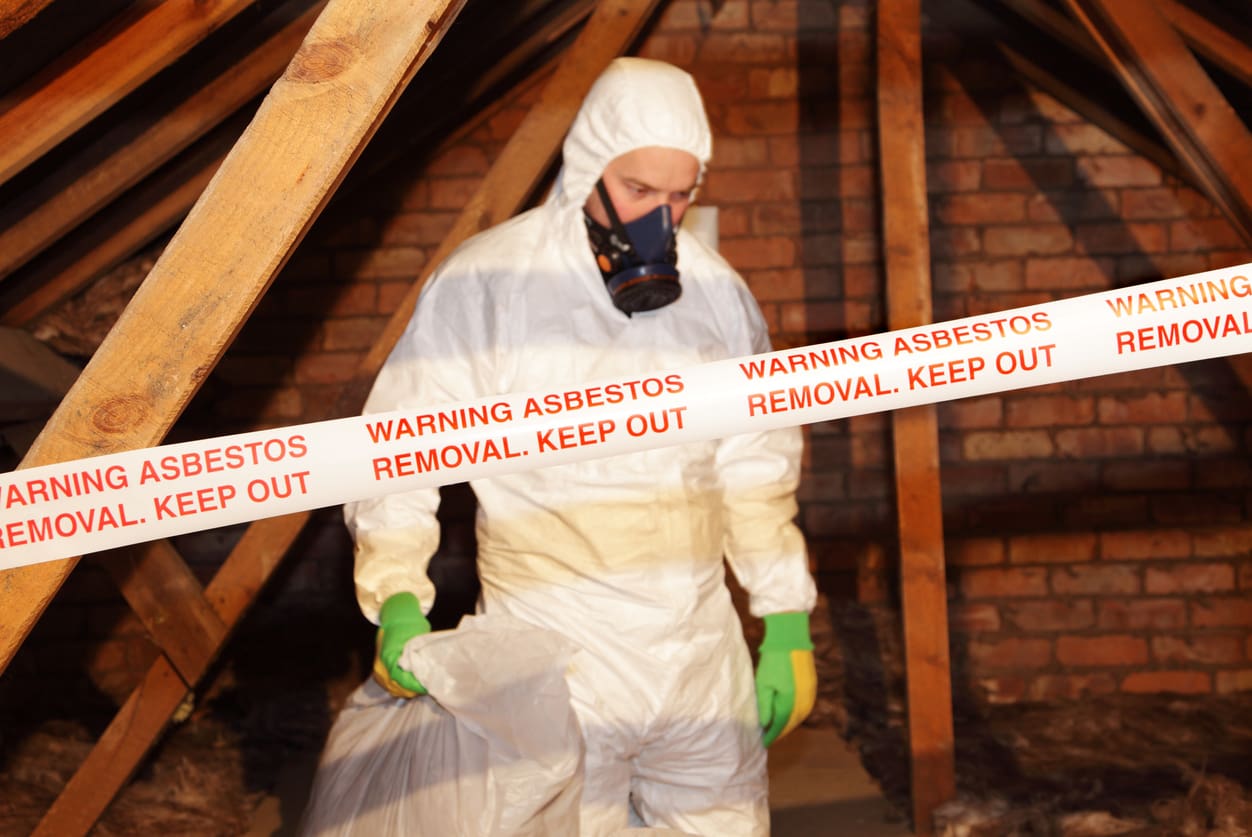
Multiple government agencies, including the Environmental Protection Agency (EPA) and state health departments, enforce asbestos regulations for building demolition. These regulations apply to residential and commercial construction projects and are designed to reduce visible emissions and prevent asbestos exposure during renovation and demolition activities. These requirements also apply to demolitions and renovation activities, requiring careful planning, regulatory compliance, and adherence to safety procedures.
According to the EPA, any structure—regardless of size or use—must undergo asbestos testing if it is demolished. The exact requirements apply to renovations that may disturb asbestos-containing materials. If asbestos-containing materials are identified, they must be removed by a licensed abatement professional following specific removal procedures outlined by law. The removal process must be completed before demolition to protect workers and the surrounding environment. Non-compliance can result in significant fines and delays.
Demolition contractors must also file proper notification forms with the appropriate regulatory bodies, documenting the results of their asbestos survey, the planned removal strategy, and disposal methods. Proper handling and disposal of asbestos waste is essential to comply with federal and state regulations and to prevent environmental contamination. This paperwork ensures that all demolition projects involving asbestos are carefully monitored to safeguard public health.
Hazardous Air Pollutants and Demolition: Understanding the Risks
Demolition projects can release hazardous air pollutants that pose serious threats to public health, with asbestos being one of the most dangerous. When asbestos-containing materials are disturbed during demolition, tiny fibers can become airborne, leading to asbestos exposure for workers and nearby residents. Inhalation of these fibers is directly linked to life-threatening diseases such as lung cancer, asbestosis, and mesothelioma.
The Environmental Protection Agency (EPA) enforces strict asbestos regulations under the National Emission Standards for Hazardous Air Pollutants (NESHAP) to protect public health. These rules require property owners and contractors to conduct a thorough inspection to identify any asbestos-containing materials before starting demolition or renovation. A detailed plan for safe removal and disposal must be developed and followed if asbestos is found. Failure to comply with these regulations can result in significant fines and increased health risks for everyone involved. By understanding the dangers of hazardous air pollutants and adhering to EPA guidelines, contractors and property owners can ensure a safer demolition process and help protect the community from the devastating effects of asbestos exposure.
Demolition Project Planning: Integrating Hazard Assessment
Effective demolition project planning goes beyond scheduling and logistics—it requires a proactive approach to hazard assessment. Before any demolition process begins, property owners and contractors must conduct a thorough inspection to identify asbestos-containing materials and other potential risks on site. This assessment is critical for developing a comprehensive plan that outlines safe removal, handling, and disposal procedures for hazardous materials.
A well-integrated hazard assessment ensures that all workers are protected from asbestos exposure and that public health is safeguarded throughout the demolition project. The plan should detail compliance with federal and state regulations, including those set by the EPA and OSHA, and specify the steps for safely managing asbestos-containing materials. By prioritizing hazard assessment in the early stages of project planning, contractors and property owners can minimize risks, avoid costly delays, and fully comply with all applicable safety and environmental procedures.
Lead Paint Removal Before Demolition: What the Law Requires
Just like asbestos, lead-based paint poses significant risks during demolition. Homes and buildings constructed before 1978 will likely contain lead paint on interior and exterior surfaces. During demolition, paint can turn into airborne lead dust, contaminating soil, air, and surfaces inside and outside the job site.
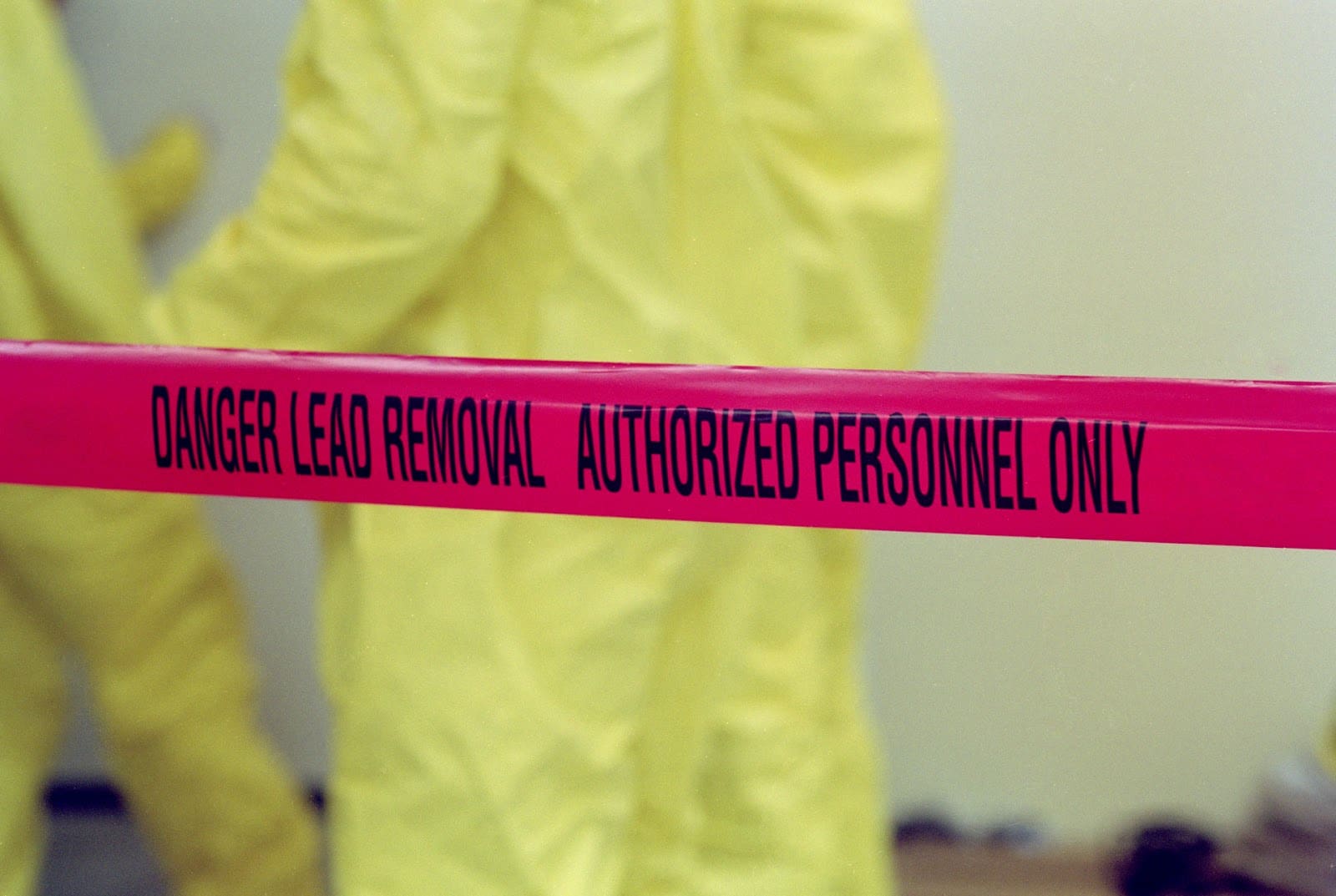
Lead paint removal before demolition is not only a health precaution—it’s a legal requirement. Many states enforce their lead paint laws for demolition, in addition to federal rules established under the Renovation, Repair, and Painting (RRP) Rule. These laws require certified professionals to conduct testing, follow approved removal techniques, and implement containment measures to prevent lead dust from spreading.
Children and pregnant women are particularly vulnerable to the effects of lead exposure, which can lead to neurological damage, behavioral disorders, and developmental delays. Even short-term exposure to lead during demolition activities can have long-term health consequences.
Notification and Permitting: Legal Steps You Can’t Skip
Before any demolition or renovation project involving asbestos-containing materials can begin, property owners and contractors are legally required to notify the appropriate government agencies and secure all necessary permits. This step is not just a formality—it’s a critical part of the process designed to protect public health and ensure compliance with asbestos regulations. The Environmental Protection Agency (EPA), under the National Emission Standards for Hazardous Air Pollutants (NESHAP), mandates a thorough inspection to identify asbestos-containing materials and requires formal notification before any work starts. This notification process allows agencies to monitor the project, minimize asbestos exposure, and enforce regulations that keep hazardous air pollutants out of the environment. Skipping these legal steps can result in significant fines and penalties. Hence, contractors and property owners must follow all notification and permitting requirements to comply and safeguard health.
Pre-Demolition Survey Requirements: What Must Be Inspected
Before any building demolition can proceed, a pre-demolition survey is required to identify all asbestos-containing materials in the structure. This survey thoroughly inspects the entire site, including hard-to-reach areas where asbestos-containing materials may be hidden. Inspectors must look for Category I and Category II non-friable asbestos-containing materials, such as cement, corrugated and flat sheets, and any friable materials that could easily release fibers into the air.
A licensed asbestos inspector must conduct the survey, carefully documenting the location, type, and quantity of asbestos-containing materials found. The resulting report should provide clear recommendations for safe removal and outline the steps needed to comply with all relevant regulations. Property owners and contractors are responsible for ensuring that the survey is completed before demolition begins, as required by the EPA’s NESHAP and other federal and state regulations. This critical step helps identify potential hazards, supports safe project planning, and protects everyone involved from the dangers of asbestos exposure.
What Contractors and Property Owners Must Do
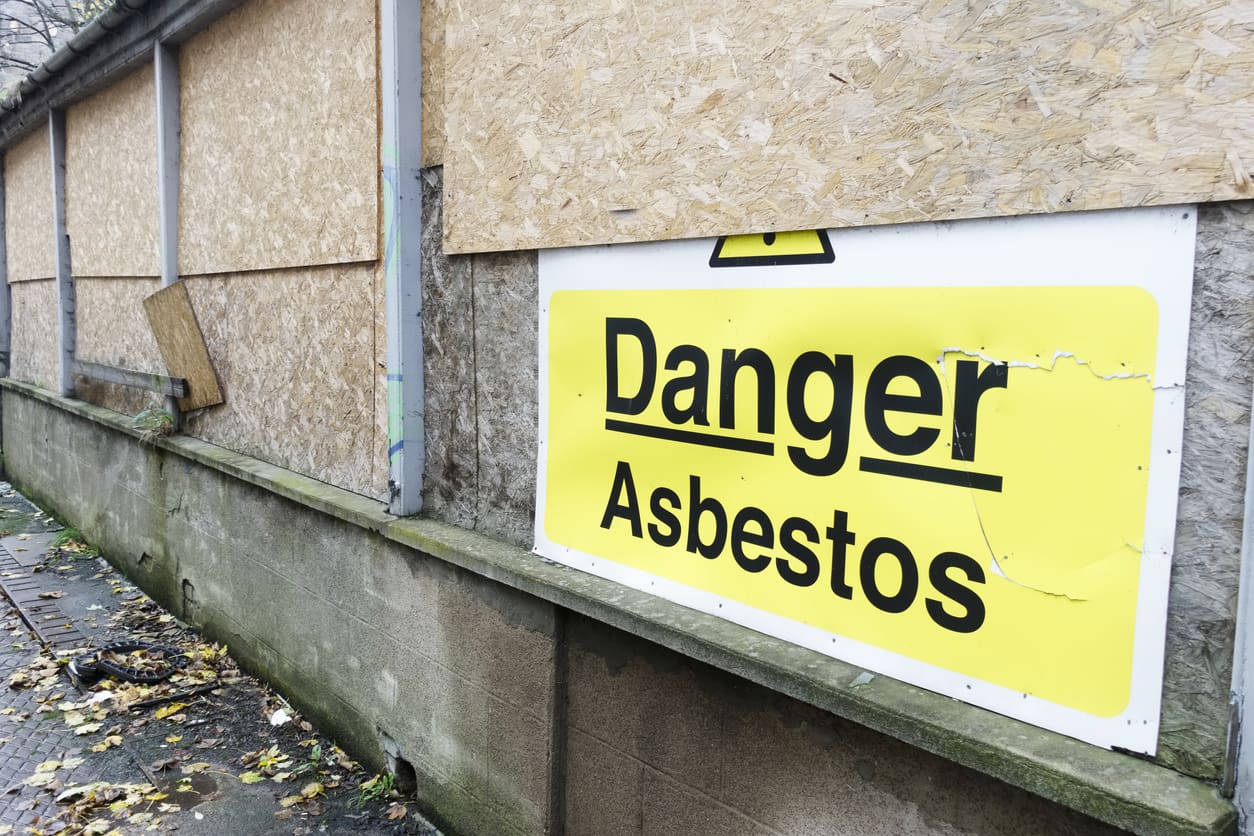
Property owners and contractors must conduct due diligence to identify and safely remove hazardous materials from the job site. This includes scheduling a thorough structure inspection for both asbestos and lead-based paint. Licensed professionals must remove any regulated asbestos-containing material found. Likewise, if lead is present, proper disposal and abatement methods must be followed to avoid contaminating the demolition site or exposing affected areas and populations.
During demolition, site workers must use protective equipment and follow EPA-approved safety protocols. Under the Health and Safety at Work Act 1974, employers have a legal duty to protect employees from asbestos and lead exposure during demolition activities. Dust control measures—such as wetting down surfaces or using negative air machines—are required to prevent harmful particles from entering the surrounding environment. Compliance protects workers and building occupants and shields property owners from liability. Skipping these steps can harm affected workers, building occupants, and nearby residents and lead to equal consequences, including regulatory action by state and federal government agencies and potential lawsuits from exposed individuals.
Training and Accreditation: Who’s Qualified to Remove Hazards?
Handling and removing asbestos-containing materials is not a job for just anyone. Contractors and workers involved in demolition and renovation projects must complete specialized training and obtain accreditation to manage asbestos-containing materials and prevent asbestos exposure safely. The EPA and many state agencies offer accreditation programs that certify individuals in proper removal techniques, safety procedures, and regulatory compliance. Property owners should always verify that the professionals they hire are fully accredited and trained to handle asbestos, as this is not only a legal requirement but also a critical step in protecting the health of workers and the public. Using unqualified personnel can lead to unsafe practices, increased health risks, and potential legal and financial consequences for everyone involved in the project.
Asbestos Removal Techniques: Safe and Legal Methods
Removing asbestos-containing materials from a demolition or renovation site requires strict adherence to safe and legal methods. The EPA and OSHA have established detailed regulations to minimize asbestos exposure and protect public health. Contractors must use approved techniques, such as wetting asbestos materials to prevent fiber release and employing negative air pressure systems to contain airborne particles within the work area.
All workers involved in asbestos removal must be equipped with appropriate personal protective equipment (PPE) and receive specialized training in safe handling procedures. The removal process must be carefully managed to prevent the release of hazardous fibers into the air, and licensed professionals must perform all work. Property owners and contractors who follow these procedures comply with federal and state regulations and help protect the health of workers, building occupants, and the surrounding community. Failure to use safe and legal asbestos removal methods can result in severe fines, legal liability, and long-term health consequences for those exposed.
Disposal of Asbestos Materials: Complying with Environmental Laws
Proper disposal of asbestos-containing materials is a critical step in protecting public health and the environment. Federal and state environmental laws require that all asbestos materials be securely packaged, clearly labeled, and transported to a licensed landfill authorized to accept asbestos waste. Contractors and property owners must ensure that every aspect of the disposal process complies with EPA and state regulations to avoid fines and legal repercussions.
The disposal process includes careful handling to prevent the release of asbestos fibers and thorough documentation of the materials’ origin, transport, and final destination. By following these strict procedures, property owners and contractors help prevent environmental contamination and reduce the risk of asbestos exposure for waste handlers and the public. Adhering to environmental laws ensures legal compliance and demonstrates a commitment to protecting public health and maintaining a safe environment for future generations.
Clearance and Decontamination: Ensuring a Safe Site
Once asbestos-containing materials have been removed from a demolition or renovation site, the job isn’t finished until a thorough clearance and decontamination process is completed. This involves a detailed inspection to identify any remaining asbestos-containing materials or fibers, followed by rigorous decontamination procedures to eliminate lingering hazards. The goal is to ensure that the site is entirely safe for future use and that there is no risk of asbestos exposure. Property owners and contractors must adhere to strict EPA protocols during this phase, conducting all necessary inspections and following approved procedures to protect public health. Failing to properly clear and decontaminate a site can result in ongoing health risks, legal liabilities, and regulatory action, making this step a critical part of any demolition or renovation process.
Enforcement and Penalties: What Happens If You Don’t Comply

Ignoring asbestos regulations can have serious consequences. Government agencies like the EPA are vigilant in enforcing rules related to asbestos-containing materials. Noncompliance can lead to hefty fines, legal action, and reputational damage for companies and property owners. The Fifth Circuit Court and other circuit courts have upheld substantial penalties against those who fail to follow notification, permitting, or removal requirements. Beyond financial penalties, non-compliance puts workers and the public at risk of asbestos exposure and related health issues. To avoid these outcomes, it’s essential to strictly adhere to all regulations and ensure that every aspect of asbestos removal and demolition is handled according to the law.
Government Agencies and Resources: Where to Get Help
Navigating the complex world of asbestos regulations can be challenging, but property owners and contractors don’t have to do it alone. Several government agencies provide valuable resources and guidance to help ensure compliance and protect public health during construction projects. The Environmental Protection Agency (EPA) is a leading authority, offering comprehensive information on managing asbestos-containing materials, hazardous air pollutants, and regulatory requirements. The Occupational Safety and Health Administration (OSHA) also provides critical guidelines for worker safety and health during asbestos removal and demolition. Local and state agencies may have additional requirements and resources tailored to specific regions. By consulting these agencies and utilizing their resources, property owners and contractors can confidently manage asbestos-containing materials, maintain compliance, and ensure the safety of everyone involved in the project. For the most up-to-date information, the EPA’s website is an essential starting point for understanding federal asbestos regulations and best practices.
Protecting Public Health Through Compliance
Ultimately, asbestos and lead paint regulations exist to protect public health. By adhering to these laws, contractors help maintain clean air, reduce exposure to toxic substances, and support safer demolition practices. Whether tearing down a small residential home or a large commercial building, your first step should always be environmental testing.
At Advanced Health and Safety, we specialize in asbestos testing before demolition, lead paint removal planning, and regulatory compliance for both residential and commercial building projects. Our team is fully trained to conduct surveys, submit notifications, and coordinate safe, efficient removal services that meet all federal and state standards.
Schedule a Survey Today

If you're preparing for demolition, don’t risk delays or legal complications by overlooking hazardous materials. Contact Advanced Health and Safety to schedule an asbestos survey for demolition projects and lead paint inspection services. We’ll help you identify asbestos-containing materials, manage regulated asbestos-containing material removal, and ensure full compliance with the latest asbestos regulations for building demolition.