
Popcorn ceilings were one of the most popular finishing styles in American homes for decades. That bumpy, textured surface was inexpensive to apply, hid imperfections in the drywall, and provided some sound dampening. Builders loved it. Homeowners accepted it. And for a long time, no one gave it much thought.
Today, popcorn ceilings are one of the most common renovation targets. They look dated, they collect dust, and most homeowners want them gone. But before you start scraping, there is something critical you need to know: many popcorn ceilings contain asbestos.
Asbestos in popcorn ceilings is not a cosmetic issue. It is a serious health hazard. Disturbing asbestos-containing ceiling texture releases microscopic fibers into the air that can cause lung disease, mesothelioma, and cancer. If your home has textured ceilings, this article explains what you need to understand before you touch them.
Why Do Popcorn Ceilings Contain Asbestos?
Asbestos was a go-to ingredient in building materials for most of the 20th century. Manufacturers added it to products because it was cheap, fireproof, and extremely durable. Popcorn ceiling texture, also known as acoustic or stipple ceiling, was one of the many products that commonly included asbestos fibers.
The asbestos in popcorn ceiling spray gave the texture added strength and fire resistance. It also made the material easier to apply and more resilient once dried. During the peak years of popcorn ceiling installation, asbestos was a standard component of these products.
The EPA banned most asbestos-containing spray-on ceiling materials in 1978. However, that ban did not take immediate effect in practice. Manufacturers were allowed to use up existing inventory, and enforcement took time. Popcorn ceilings continued to be installed with asbestos-containing materials well beyond that date. The ban also did not require removal of existing asbestos ceilings, which is why so many homes still have them today.
It is also worth noting that asbestos can be present in homes and materials in ways that are not always predictable based on the age of the building alone. Renovations, repairs, and material sourcing over the years can introduce asbestos-containing products into structures of any era. The only way to know for certain whether your popcorn ceiling contains asbestos is through professional testing.

The Popcorn Ceiling Asbestos Risk: Why It Matters
Asbestos-containing popcorn ceilings that are intact and undisturbed generally do not pose an immediate health risk. The asbestos fibers are bound within the ceiling texture and are not released into the air under normal conditions.
The danger begins when the material is disturbed. Scraping, sanding, drilling, removing, or even aggressively cleaning a popcorn ceiling that contains asbestos will release fibers into the air. These fibers are invisible to the naked eye and can remain airborne for hours. Once inhaled, they lodge in lung tissue and can cause serious diseases.
Asbestos exposure is linked to mesothelioma, a rare and aggressive cancer of the lining of the lungs and abdomen. It is also linked to asbestosis, a chronic lung disease caused by scarring of lung tissue, and to lung cancer. These diseases can develop 10 to 40 years after exposure, which is why many people do not connect their illness to a renovation project that happened years or even decades earlier.
Even short-term, high-concentration exposure during a DIY ceiling removal can be enough to cause harm. This is why the popcorn ceiling asbestos risk is taken so seriously by health agencies and environmental regulators. It is not something to dismiss or work around. It requires professional testing and, if asbestos is confirmed, professional removal.
Do Your Popcorn Ceilings Have Asbestos? How to Find Out
This is the most common question homeowners ask, and the answer is straightforward: you cannot tell by looking. Asbestos-containing popcorn ceilings look identical to non-asbestos versions. The texture, color, and appearance provide no reliable clues. The age of your home can increase the likelihood, but it does not confirm or rule out the presence of asbestos on its own.
The only way to determine whether your popcorn ceilings contain asbestos is through popcorn ceiling testing performed by a certified asbestos inspector. The process involves collecting a small sample of the ceiling material and sending it to an accredited laboratory for analysis. Results typically come back within a few business days.
It is important that the sample is collected by a professional. Improper sampling can release fibers into your home and contaminate the area. A certified inspector knows how to collect the sample safely, using proper containment and personal protective equipment, without creating additional risk.
If you are planning any renovation work, ceiling replacement, electrical work, plumbing that runs through the ceiling, or even just painting, testing should happen first. Any activity that involves touching, scraping, cutting, or drilling into the ceiling could disturb asbestos if it is present.
What to Do If Your Popcorn Ceiling Contains Asbestos
If testing confirms asbestos in your popcorn ceiling, you have a few options depending on your situation and renovation plans.
Leave It in Place
If the ceiling is in good condition, not crumbling or damaged, and you are not planning any work that would disturb it, leaving it alone is a legitimate option. Intact asbestos-containing materials that are not disturbed do not release fibers. Some homeowners choose to leave the ceiling as-is and monitor its condition over time. This is the lowest-cost option, but it does mean living with the knowledge that asbestos is present and taking care not to disturb it during any future work.
Encapsulate the Ceiling
Encapsulation involves applying a sealant over the popcorn ceiling that binds the asbestos fibers in place and prevents them from becoming airborne. This can be a reasonable middle-ground option in some situations, but it has limitations. Encapsulation does not remove the asbestos. It also adds weight to the ceiling, and if the encapsulant is disturbed in the future, the asbestos risk returns. Encapsulation should always be performed by a licensed professional.
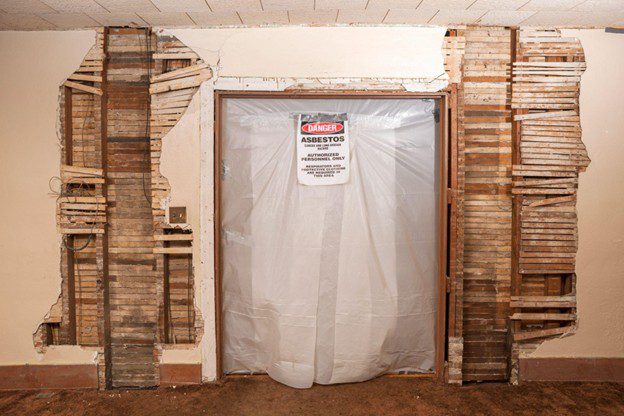
For homeowners who are renovating, updating their home, or simply want the asbestos gone permanently, professional removal is the definitive solution. A licensed asbestos abatement team will seal off the work area with plastic containment barriers, set up negative air pressure using HEPA filtration, carefully wet and remove the ceiling material, and dispose of everything in accordance with state and federal regulations.
This process eliminates the asbestos from your home entirely, giving you a clean surface to finish however you like and the peace of mind that the hazard is permanently resolved.
Professional Asbestos Removal
For homeowners who are renovating, updating their home, or simply want the asbestos gone permanently, professional removal is the definitive solution. A licensed asbestos abatement team will seal off the work area with plastic containment barriers, set up negative air pressure using HEPA filtration, carefully wet and remove the ceiling material, and dispose of everything in accordance with state and federal regulations.
This process eliminates the asbestos from your home entirely, giving you a clean surface to finish however you like and the peace of mind that the hazard is permanently resolved.
Why You Should Never DIY Popcorn Ceiling Removal Without Testing
There are countless online tutorials showing homeowners how to scrape popcorn ceilings themselves. Some recommend wetting the surface, using a drywall knife, and scraping the texture into a garbage bag. What these tutorials rarely mention is the possibility of asbestos.
If you scrape an asbestos-containing popcorn ceiling without proper containment, you will contaminate your home. Asbestos fibers will settle on furniture, carpeting, clothing, and ductwork. They will circulate through your HVAC system. They will be inhaled by everyone in the house, including children and pets. Cleaning up after an uncontained asbestos disturbance is exponentially more expensive than having the material properly tested and removed in the first place.
Even if you plan to hire a contractor for the renovation, confirm that asbestos testing has been completed before any ceiling work begins. A reputable contractor will ask for test results before starting. If a contractor offers to scrape your popcorn ceiling without mentioning asbestos testing, that is a serious red flag.
The safe approach is always the same: test first. If asbestos is found, hire a certified abatement professional. If the test comes back negative, you can proceed with your renovation with confidence.
What Does Popcorn Ceiling Asbestos Testing and Removal Cost?
Popcorn ceiling testing is relatively affordable. Most residential asbestos inspections cost a few hundred dollars depending on the number of samples collected and the size of the home. This is a small investment that provides critical information before you commit to a renovation.
If asbestos is found and removal is needed, the cost depends on the square footage of the ceiling, the complexity of the space, and whether other asbestos-containing materials are present in the same area. Professional asbestos removal for popcorn ceilings in a typical residential project is generally measured in thousands, not tens of thousands, though every project is different.
Compare this to the cost of an uncontained asbestos release, which can require full-home decontamination, air monitoring, and remediation that is far more extensive and expensive. Testing and professional removal up front is always the more cost-effective path.
What Does Popcorn Ceiling Asbestos Testing and Removal Cost?
Popcorn ceiling testing is relatively affordable. Most residential asbestos inspections cost a few hundred dollars depending on the number of samples collected and the size of the home. This is a small investment that provides critical information before you commit to a renovation.
If asbestos is found and removal is needed, the cost depends on the square footage of the ceiling, the complexity of the space, and whether other asbestos-containing materials are present in the same area. Professional asbestos removal for popcorn ceilings in a typical residential project is generally measured in thousands, not tens of thousands, though every project is different.
Compare this to the cost of an uncontained asbestos release, which can require full-home decontamination, air monitoring, and remediation that is far more extensive and expensive. Testing and professional removal up front is always the more cost-effective path.
Contact Us Today →
Contact us today to learn more or to schedule an appointment.
Call Us at (608) 243-8466
Email at contact@madisonasbestos.com

FAQs: Asbestos in Popcorn Ceilings
Do all popcorn ceilings contain asbestos?
No. Not all popcorn ceilings contain asbestos, but many do — especially those installed during the decades when asbestos was a standard building material. The only way to know whether your popcorn ceiling contains asbestos is through professional testing. Visual inspection cannot determine the presence of asbestos.
When did they stop using asbestos in popcorn ceilings?
The EPA banned asbestos in spray-on ceiling products in 1978, but manufacturers were allowed to use existing inventory, and asbestos-containing materials continued to be installed for years afterward. Because of this, any popcorn ceiling has the potential to contain asbestos regardless of what you may assume about its age. Testing is the only reliable way to confirm.
Is it safe to live in a home with asbestos popcorn ceilings?
If the ceiling is intact and not being disturbed, it generally does not pose an immediate health risk. Asbestos fibers are only released when the material is damaged, scraped, drilled, or otherwise disturbed. However, any renovation, repair, or maintenance work near the ceiling should be preceded by asbestos testing to ensure fibers are not accidentally released.
Can I test my popcorn ceiling for asbestos myself?
Home testing kits are available, but they are not recommended. Improper sample collection can release asbestos fibers into your home and produce unreliable results. A certified asbestos inspector has the training and equipment to collect samples safely and ensure accurate laboratory analysis.
How long does popcorn ceiling asbestos removal take?
Most residential popcorn ceiling removal projects take one to three days depending on the size of the area and the complexity of the space. The process includes containment setup, wet removal, air monitoring, and proper disposal. Your abatement team will provide a specific timeline after assessing the project.
What happens to my home during asbestos ceiling removal?
The work area is sealed off with plastic containment barriers and placed under negative air pressure to prevent fibers from spreading to the rest of your home. You will typically need to vacate the work area during the removal process, but the rest of your home remains accessible. After removal is complete and air testing confirms the area is safe, the containment is removed and you can use the space normally.
Have Popcorn Ceilings? Get Them Tested Before You Renovate.
Advanced Health & Safety provides certified asbestos testing and removal for popcorn ceilings across Madison, WI and surrounding communities. Protect your family and your renovation project with a professional inspection.
Schedule an Inspection Today →
Contact us today to learn more or to schedule an appointment.